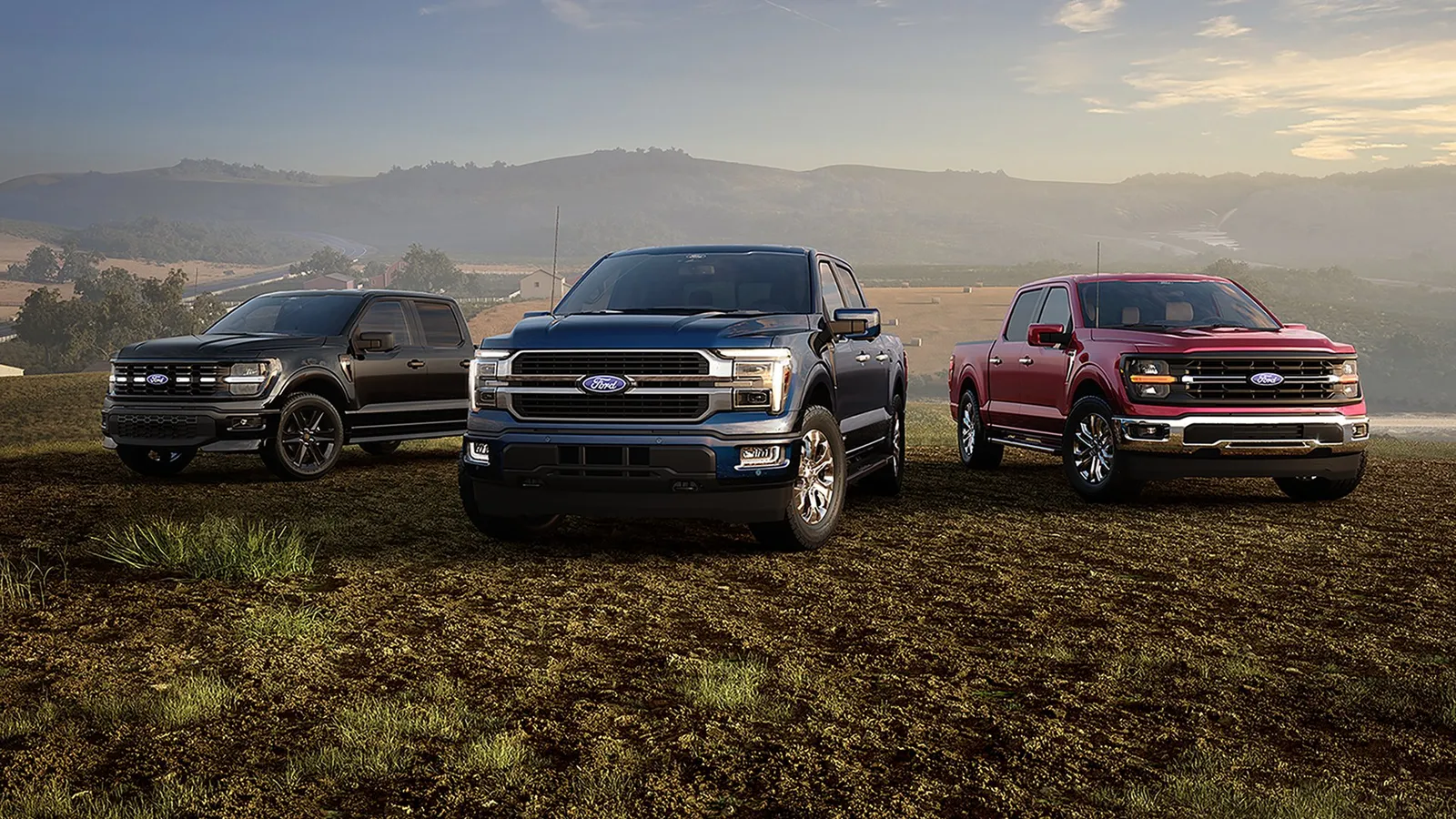
A new F-150 can be your weekday jobsite partner, your weekend boat hauler, and the truck you trust when the forecast turns ugly over Snoqualmie Pass. That is why leasing versus buying vehicles is not just a question about a monthly payment. It is a decision about how you work, drive, tow, and plan for the next few years.
For some South Puget Sound drivers, a lease keeps the newest technology and warranty coverage within reach. For others, ownership makes far more sense because a truck is built to earn its keep for a decade or more. The better choice is the one that fits your real life, not the one with the lowest number on a window sticker.
Start With How You Will Use the Vehicle
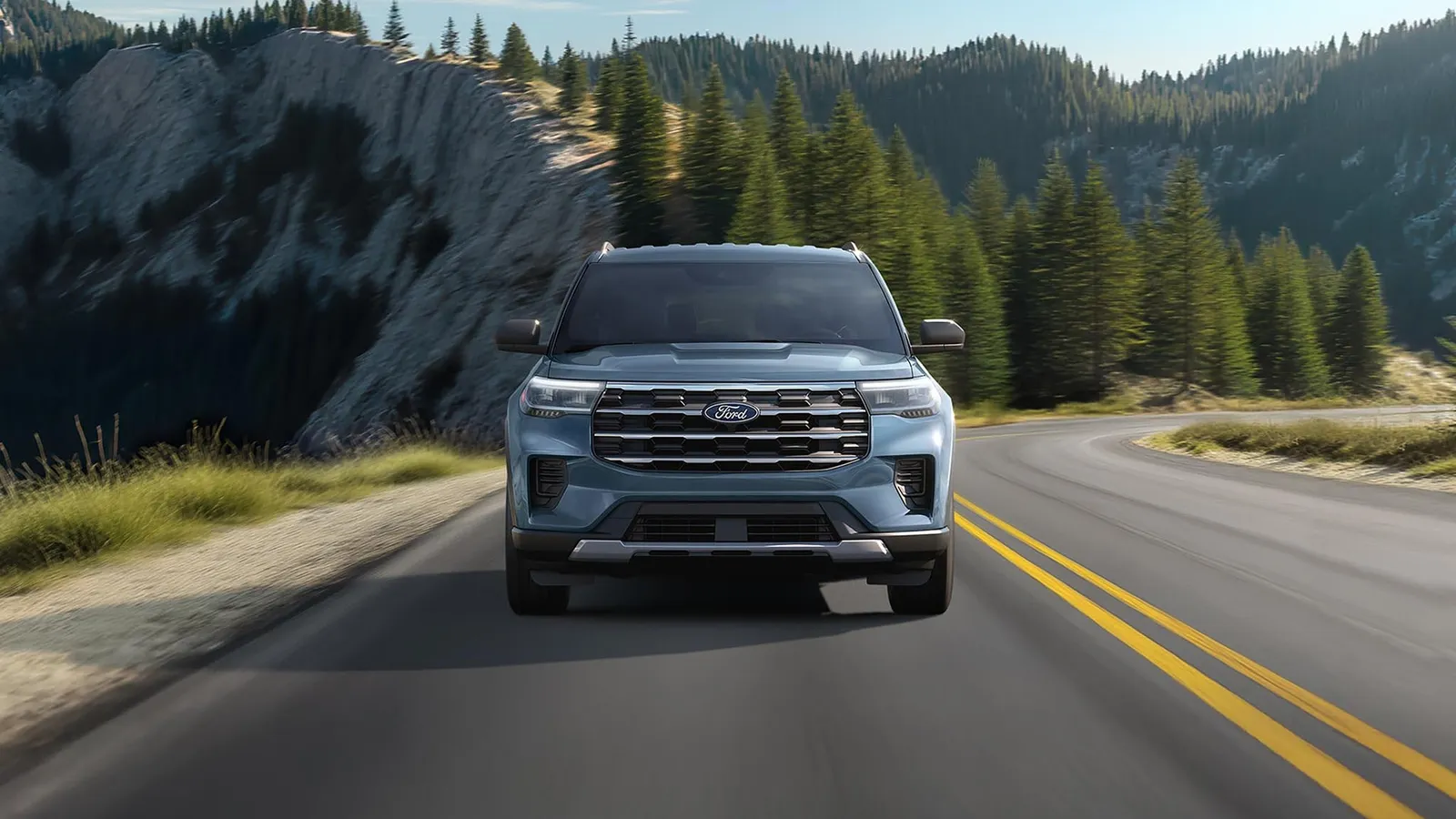
Before comparing payments, get honest about your driving habits. A family using an Explorer for school runs, Costco trips, and a few road trips each year may be a strong lease candidate. A contractor running an F-250 between Puyallup, Tacoma, Kent, and job sites every day may need the freedom that comes with ownership.
A lease is designed around a set term, usually two or three years, and a mileage allowance. Common allowances range from 10,000 to 15,000 miles per year. Go beyond that limit, and you may owe a per-mile charge when you turn the vehicle in. If you regularly commute to Seattle, travel for work, or make frequent mountain and coast trips, those miles can add up faster than expected.
Buying has no mileage cap. It also gives you more freedom to outfit a vehicle for your needs. Bed storage, a work rack, off-road tires, a lift, towing accessories, and other modifications are easier decisions when the truck is yours. Lease vehicles generally need to be returned in good condition and close to their original configuration.
Leasing Versus Buying Vehicles: The Payment Difference
A lease payment typically costs less per month than financing the same new vehicle. That is because you are generally paying for the vehicle's expected depreciation during the lease term, plus financing charges and fees, rather than the full purchase price.
That lower payment can make a higher trim level or newer features more attainable. Maybe that means extra driver-assist technology for a family SUV, a more capable towing package, or the comfort features that make long drives to Federal Way or Seattle easier. Leasing can be practical when you value a newer vehicle every few years and want predictable warranty coverage.
With a purchase loan, monthly payments may be higher, especially if you choose a shorter term. But each payment builds equity. Once the loan is paid off, you own an asset that can be traded, sold, or driven payment-free. Vehicles depreciate, of course, so equity is never guaranteed. Still, ownership gives you a chance to benefit if the vehicle holds value well and you keep it for years.
The key is not to compare monthly payments alone. Compare the total cash you expect to spend over the period you plan to drive the vehicle. A lower lease payment can be the right move, but it is not automatically the cheaper move over six, eight, or 10 years.
Think About the Down Payment Carefully
Putting cash down can lower a lease or loan payment, but the situations are not identical. On a purchase, a down payment creates immediate equity and reduces the amount financed. On a lease, a large upfront payment may reduce your monthly bill, but it does not build ownership. If the leased vehicle is totaled early in the term, that upfront money may not come back to you.
Many shoppers prefer to keep a lease down payment modest and protect their cash for an emergency fund, insurance, accessories, or other priorities. Your credit profile, trade value, available incentives, and lender terms all affect the numbers, so a personalized quote matters more than a generic online payment calculator.
Warranty Coverage and Maintenance Matter
New Ford leases generally stay within the factory warranty period, which can reduce surprise repair concerns. That appeals to drivers who want a newer SUV or truck without wondering whether a major repair is around the corner. You are still responsible for routine maintenance, tires, damage, and taking reasonable care of the vehicle, but the ownership experience can feel more predictable.
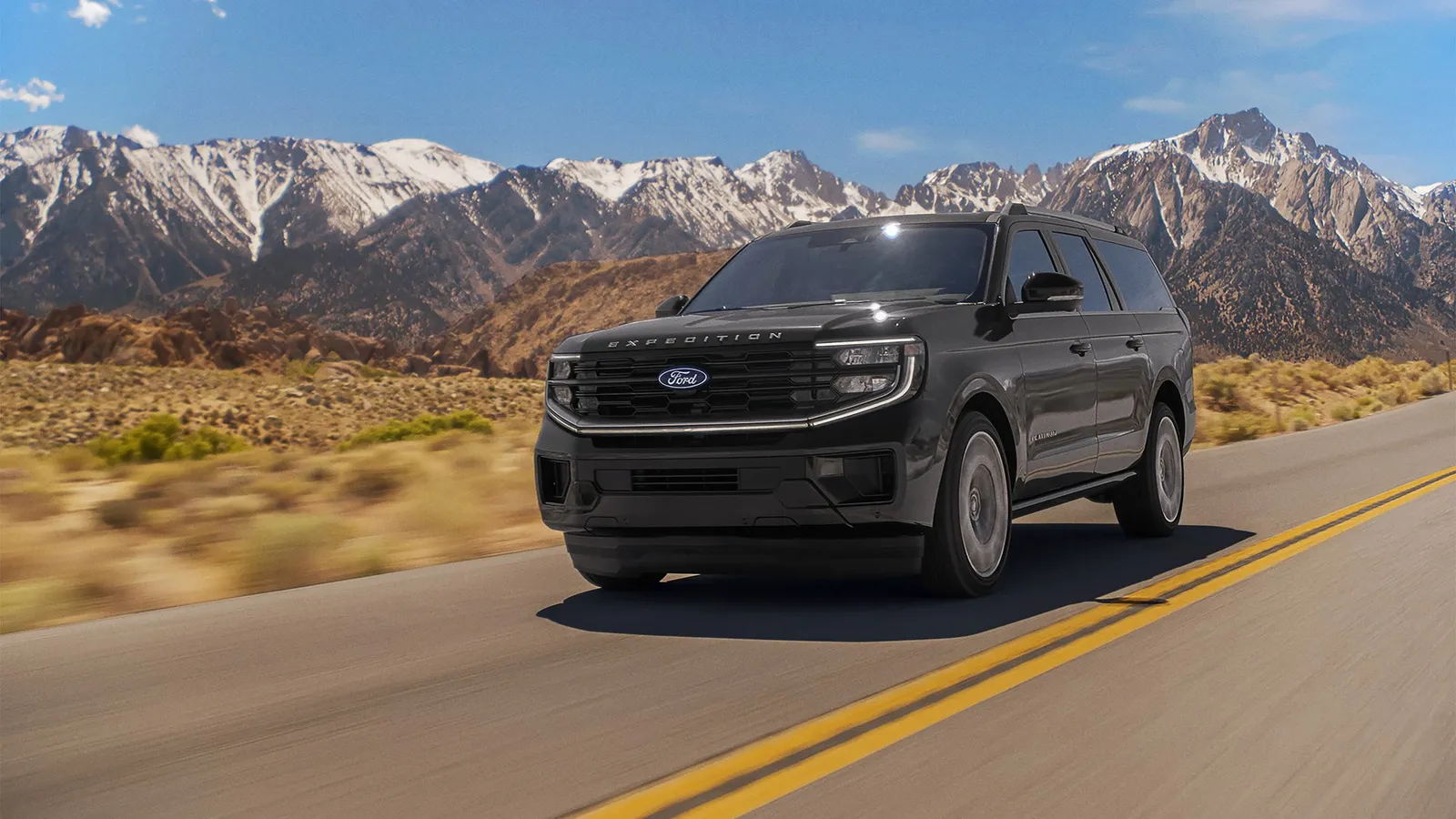
Buying a new vehicle offers the same early warranty coverage, then gives you the option to keep it after the warranty ends. This is where a well-maintained truck can really pay off. Follow the service schedule, address small concerns early, and use the right fluids and parts. A properly cared-for F-150 or Expedition can serve a family or business for a long time.
Used vehicle shoppers should weigh this especially carefully. Buying used can offer excellent value because someone else has already absorbed much of the first years' depreciation. At the same time, maintenance history, vehicle condition, and future repair needs deserve close attention. The best used-vehicle decision is rarely based on price alone.
Towing, Off-Road Use, and Work Trucks
Truck drivers often have reasons to buy that go beyond the math. If you tow a trailer, carry equipment, head down forest roads, or depend on your truck for your business, you need flexibility. The right vehicle needs to work when you need it, without a constant mental tally of mileage or end-of-lease wear.
Normal use is expected on a lease, but excessive wear can bring charges at turn-in. Scratches from tight job sites, interior wear from tools and gear, tire damage, or trail pinstriping can become part of the final inspection. If your Bronco will see regular off-road weekends or your Super Duty will spend its life around materials and equipment, ownership often delivers more peace of mind.
That does not mean leasing is off the table for truck buyers. A lease can work well for a driver who needs a capable F-150 for light towing and occasional projects, stays within the mileage allowance, and likes replacing the truck every few years. The important part is matching the agreement to the actual job.
What Happens at the End of a Lease?
At lease-end, you generally have three paths: return the vehicle, purchase it for the amount stated in your agreement, or move into another vehicle. That flexibility is valuable when your needs change. A growing family may outgrow an Escape and move to an Explorer or Expedition. A business may need more towing capacity than it did three years ago.
Buying your leased vehicle can make sense if you love how it has been maintained, it has low mileage, and the purchase price compares favorably with similar vehicles on the market. Returning it may make sense if you want something different or if the vehicle no longer fits your routine. Review the condition and mileage well before the turn-in date so there are no surprises.
Choose the Option That Lets You Drive Confidently
Lease if you prefer newer vehicles, drive predictable miles, want a lower payment, and expect your needs to change within a few years. Buy if you rack up miles, plan to keep the vehicle long term, want to modify it, or need a truck that can take on demanding work without lease-end concerns.
There is no prize for choosing a lease or a loan. There is only the right fit for your budget and the way you live in the Pacific Northwest. At Korum Ford, the best conversation starts with your real driving habits, your trade, and what you need the vehicle to do next Saturday as much as next Monday. Bring those details with you, ask for both lease and finance numbers, and choose the option that leaves you ready for the road ahead.
Frequently Asked Questions
How is sales tax handled on a lease in Washington?
In Washington, sales tax on a vehicle lease is generally collected on the lease payments over the term rather than on the full price of the vehicle up front, which is one reason lease payments can look lower. Registration fees still apply. Ask Korum Ford to show the tax on each payment in your lease quote so you can compare it fairly with a loan.
Can I lease a Ford truck for business use?
Yes, a lease can work for business use when mileage is predictable and the truck will not be heavily modified. Permanent upfits, high annual mileage and rough job site wear tend to favor buying. If the truck will be titled to your company, bring your business information, and talk with your tax professional about how a lease or purchase is treated.
Do Ford lease offers change from month to month?
Yes. Lease programs depend on manufacturer incentives, residual values and lender rates that are updated regularly, so a payment quoted one month may change the next. Check Korum Ford's current specials, then ask for a written quote on the exact vehicle and term you want, including the amount due at signing and the mileage allowance.
What if I need more miles than my lease allows?
You can often choose a higher mileage allowance when the lease is signed, which costs less per mile than paying excess mileage charges at turn in. If your commute from Federal Way, Sumner or Tacoma grows mid-lease, ask about options early, such as buying the vehicle or moving into a new one, rather than waiting until the end.