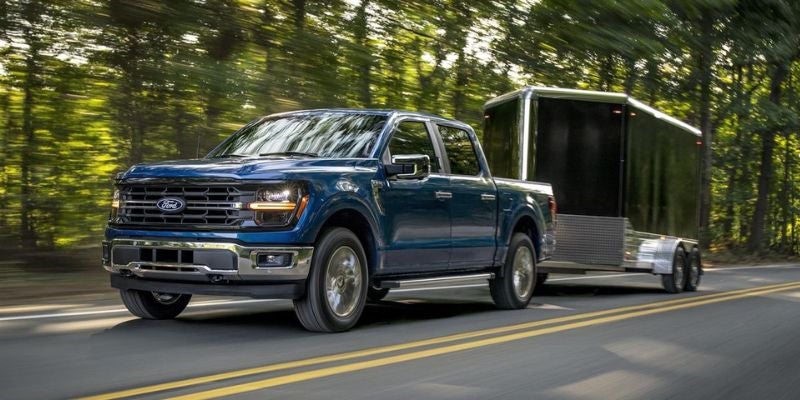
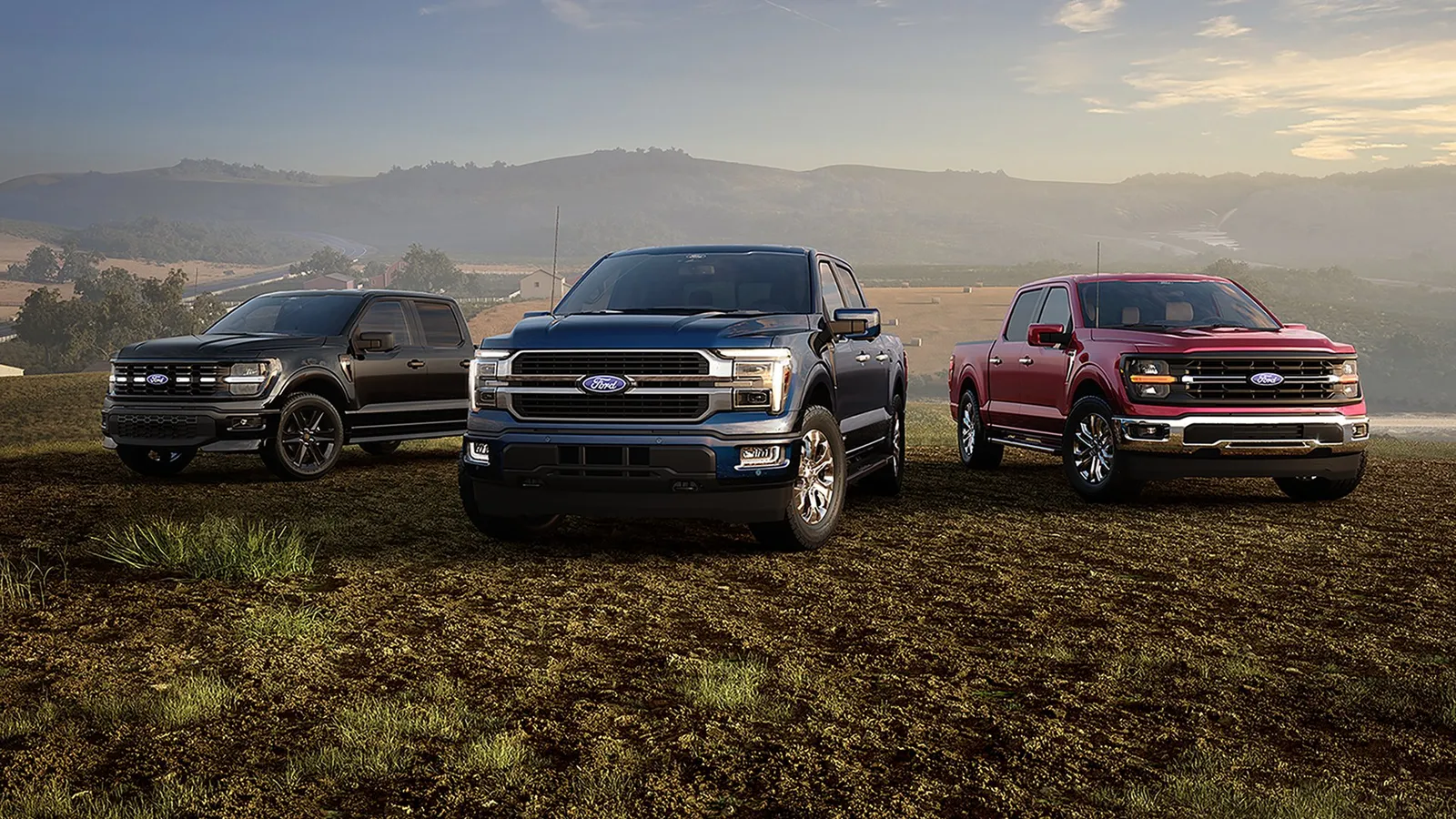
A truck has to earn its spot in a South Puget Sound driveway. Maybe it is hauling materials through Puyallup, pulling a camper toward the Cascades, getting wet gear home from the coast, or handling a packed family weekend. This F-150 versus Silverado comparison focuses on what matters when the truck will be used, not just admired from a parking lot.
Both the Ford F-150 and Chevrolet Silverado 1500 are proven full-size pickups with major capability, broad trim lineups, and loyal owners. The better choice depends on the work you do, the trailer you pull, the roads you travel, and how you want the truck to feel every day.
F-150 Versus Silverado Comparison: The Big Difference
The Ford F-150 is built around choice. Its engine lineup ranges from efficient turbocharged options to a V8 and the PowerBoost hybrid. That variety lets shoppers match the truck to a specific job instead of paying for power they will not use. The F-150 also uses an aluminum-alloy body, a design Ford has refined for years to reduce body weight while maintaining the strength truck owners expect.
The Silverado takes a more traditional route, with a steel body and a strong emphasis on familiar truck power. Its lineup has included turbocharged four-cylinder, V8 gas, and Duramax diesel options, depending on model year and trim. For buyers who want a straightforward V8 pickup or are drawn to diesel torque and efficiency, the Silverado makes a compelling case.
Neither approach is automatically better. An F-150 buyer may value flexibility and available technology, while a Silverado buyer may prefer the feel and sound of a conventional V8 or the long-haul character of a diesel. Start with the jobs on your calendar, not the badge on the grille.
Engines, Power, and Everyday Driving
Ford gives F-150 shoppers an unusually wide range of powertrains. The 2.7L EcoBoost, the starting engine in the current lineup, is a smart fit for drivers who want responsive power without moving up to the largest engine. The 3.5L EcoBoost is a popular choice for serious towing and hauling, while the available 5.0L V8 appeals to drivers who want naturally aspirated V8 power. The PowerBoost hybrid brings useful low-end torque and can provide available onboard power at a jobsite or campsite.
That available Pro Power Onboard system is a real-world advantage for some owners. It can run tools, charge equipment, or support a tailgate setup without hauling a separate generator. It will not matter to every buyer, but for contractors, campers, and tailgaters, it can turn the truck into part of the plan.
The Silverado counters with its own broad power choices. Its turbocharged four-cylinder is aimed at efficient daily use, while the available V8 engines serve buyers who want traditional full-size-truck performance. The Duramax diesel deserves a close look for frequent trailer towing and long highway miles. Diesel ownership also brings different maintenance considerations, fuel availability, and higher up-front costs, so it is best for drivers who will actually use its strengths.
Around Tacoma traffic, wet roads, and mountain grades, both trucks have the power to feel confident. Test-drive the engine you are considering, especially if you are moving from an older truck. Turbocharged torque and modern transmissions can make a smaller-displacement engine feel far stronger than expected.
Towing and Payload: Match the Truck to the Trailer
Maximum tow ratings get attention, but the right number is the one that fits your actual setup. Proper towing depends on the cab, bed length, engine, axle ratio, drivetrain, payload package, hitch equipment, and trailer configuration. A truck advertised with a maximum rating may not match the vehicle sitting on the lot.
Properly equipped F-150 models can offer exceptional towing and payload capability. Ford also provides available features designed to reduce the guesswork, including trailer backup assistance, integrated trailer brake controls, and camera views that can make hitching and maneuvering less stressful. For a boat at Lake Tapps, a utility trailer for work, or a travel trailer headed east, those details can matter as much as peak horsepower.
The Silverado is also a capable tow rig, with available trailering technology, camera systems, and configurations built for heavy work. Its diesel option can be particularly attractive for owners who tow regularly over longer distances. Still, check the payload sticker on the exact truck. Tongue weight, passengers, gear, and accessories all count against payload, and this is where many buyers discover that a big tow rating tells only part of the story.
If you tow occasionally, a well-equipped half-ton can be a comfortable, versatile answer. If you tow a heavy fifth-wheel every weekend or carry commercial loads day after day, it may be worth discussing whether a Super Duty-class truck is a better long-term fit.
Cab Comfort, Storage, and Workday Usability
The F-150 and Silverado both offer regular, extended, and crew-cab-style configurations depending on availability, and both can serve as family transportation. Crew-cab models provide useful rear-seat space for adults, child seats, work crews, and the inevitable pile of bags that comes with a weekend away.
The F-150 stands out with thoughtful work-focused features. Available interior work surfaces can create a usable place for a laptop between appointments. Storage solutions, fold-flat seating options, and available tailgate features make the cabin and bed easier to use without turning the truck into a rolling office you never asked for.
The Silverado offers a comfortable cabin in the right trim and has a strong practical feature of its own: the available Multi-Flex tailgate. Its multiple configurations can help when loading long items, creating a step, or keeping smaller cargo from sliding out. It is a useful system for homeowners and jobsite users alike.
On either truck, trim level changes the experience dramatically. A work-focused model and a luxury-oriented trim may share a nameplate but feel like entirely different vehicles. Sit in the rear seat, open the storage compartments, and load something you would normally carry. That hands-on check reveals more than a spec sheet.
Technology and Safety for Northwest Roads
Modern full-size trucks can be remarkably easy to live with, especially when equipped with blind-spot monitoring, rear cross-traffic alert, adaptive cruise control, and parking cameras. These features are not substitutes for attentive driving, but they can reduce stress in crowded parking lots, on rainy commutes, and when towing.
Ford's available BlueCruise hands-free highway driving technology is a notable differentiator for eligible F-150 models and compatible roads. It is designed to assist with controlled-access highway travel, not replace the driver. For people with frequent freeway commutes between Kent, Federal Way, Seattle, and Puyallup, that added convenience may be worth considering.
Silverado buyers should also compare the available driver-assistance packages carefully. Chevrolet offers useful trailering camera technology and advanced safety features, but availability can vary by trim and package. Before deciding, make a short must-have list. If a 360-degree camera, heated steering wheel, trailer monitoring, or adaptive cruise control matters to you, confirm it on the specific truck rather than assuming it is standard.
Off-Road Capability and Bad-Weather Confidence
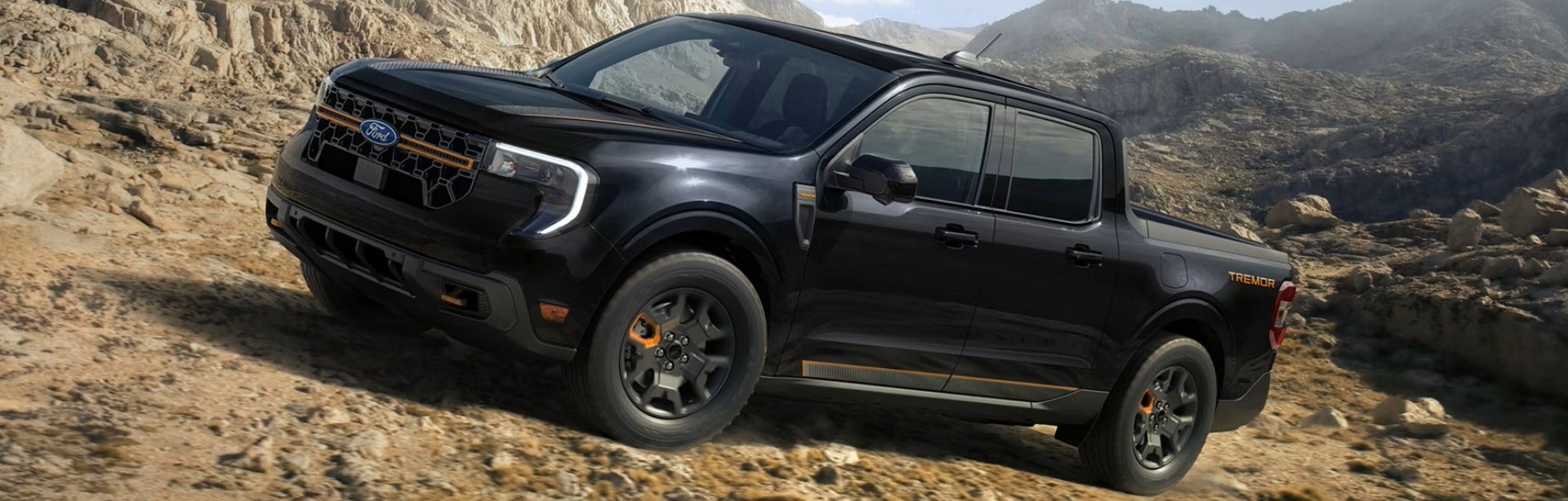
For forest roads, snow trips, and rougher worksites, both brands offer dedicated off-road trims. Ford's F-150 Tremor and Raptor bring distinct personalities. Tremor is aimed at buyers who want serious off-pavement ability while retaining everyday truck usefulness. Raptor is the high-performance choice, built for drivers who want advanced suspension and a much more aggressive off-road experience.
Silverado Trail Boss and ZR2 models provide Chevrolet alternatives with lifted stances, off-road hardware, and tougher styling. The ZR2 is especially worth comparing with higher-end off-road F-150 models if trail performance is central to your purchase.
For most Washington drivers, four-wheel drive, capable tires, good ground clearance, and sensible driving habits will do more than an extreme off-road package. A less specialized trim may leave more room in the budget for the accessories or trailer equipment you will use every week.
Which Truck Is the Better Buy?
Choose the F-150 if you want the widest engine selection, available hybrid power, strong towing and payload potential, and practical features that support work and recreation. It is especially appealing for shoppers who want their truck configured around a specific task, whether that means commuting efficiently, powering tools, towing a trailer, or taking the family out of town.
Choose the Silverado if a traditional V8 experience, available diesel power, or the Multi-Flex tailgate is high on your list. It remains a capable, comfortable full-size truck with plenty to offer drivers who know exactly what powertrain and setup they prefer.
The best move is to bring your real questions to the lot: What does your trailer weigh when loaded? How many people ride with you? Do you need a short bed for parking or a longer bed for materials? At Korum Ford, a truck-focused team can help you compare F-150 cab, bed, engine, and package options without turning the decision into a high-pressure sales pitch.
A pickup should make the next job, trip, or rainy Monday easier. Take the time to sit in the truck, check its payload label, and drive the configuration that matches your life. The right answer is the one that is ready when you put it to work.
Frequently Asked Questions
Which half-ton truck is better for towing a camper over Washington passes?
Either can do it when properly equipped, so the trailer decides. Check the exact truck's door jamb payload and tow rating, then add tongue weight, passengers and gear. On Snoqualmie or White Pass, engine braking, trailer brakes and cooling matter on long grades. Check WSDOT pass reports before you leave and carry chains in winter.
Does the F-150 PowerBoost hybrid need different maintenance?
Routine care looks much like any F-150: oil changes guided by the oil life monitor, tire rotations, brake and fluid checks. The hybrid system has its own battery and cooling components that technicians inspect during scheduled service. Follow the maintenance schedule in your owner's manual and the Ford app, and have the truck serviced by technicians trained on Ford hybrids.
Is BlueCruise available on every F-150?
No. BlueCruise hands-free highway driving is available on select F-150 trims and works only on prequalified divided highways. The driver must keep eyes on the road and be ready to take over at any time. Ask Korum Ford which trucks in stock are equipped and how the feature works on Interstate 5 commutes through Pierce and King counties.
Can I compare several F-150 configurations in one visit to Korum Ford?
Usually, yes. Korum Ford typically stocks a range of F-150 cabs, beds, engines and trims, so you can often sit in a SuperCrew and a SuperCab, compare bed lengths and drive different engines in one trip to Puyallup. Bring your trailer weight and the gear you haul, and the team can narrow the choices to the trucks that fit.