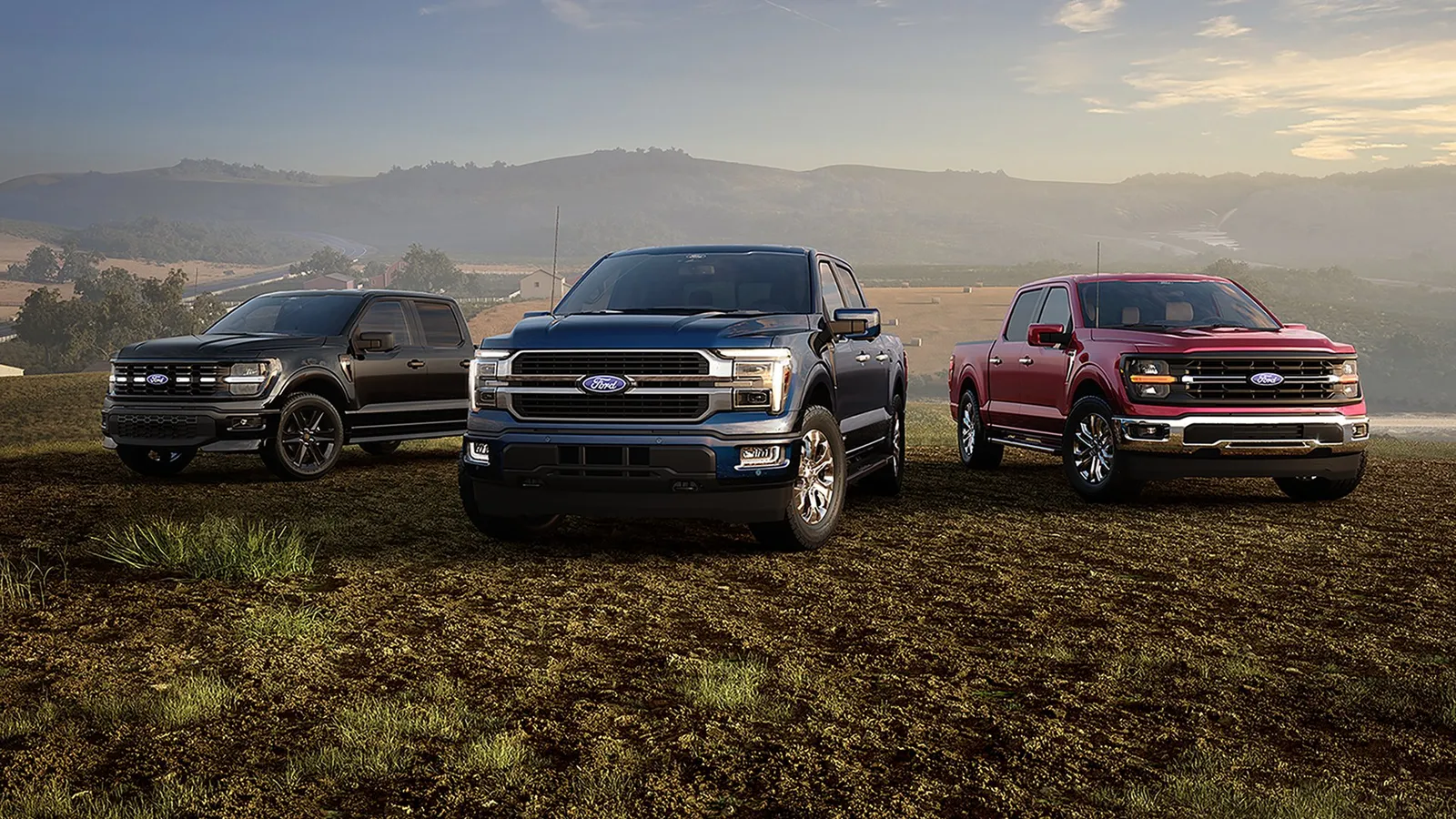

A Ford that works hard in the South Sound needs more than an occasional oil change. Rainy commutes, stop-and-go Tacoma traffic, gravel roads, boat ramps, mountain passes, and loaded trailers all put different demands on your vehicle. This Ford maintenance guide helps you stay ahead of the wear items that matter most, whether you drive an F-150, Super Duty, Bronco, Explorer, Expedition, or a dependable used Ford.
Maintenance is not about chasing every possible service at every visit. It is about following your owner’s manual, paying attention to how you use your vehicle, and handling small issues before they become expensive downtime. For a work truck, that can mean fewer missed jobs. For a family SUV, it means more confidence when everybody is buckled in.
Start With Your Ford’s Maintenance Schedule
Your owner’s manual and vehicle information display provide the best starting point because service intervals vary by model, engine, drivetrain, model year, and use. A naturally aspirated SUV that handles school runs has different needs than a turbocharged F-150 that regularly tows equipment.
Ford schedules are generally built around routine inspections, oil and filter changes, tire rotations, fluid checks, brake inspections, and replacement intervals for items such as engine air filters and cabin air filters. The oil-life monitoring system is helpful, but it is not a reason to ignore the calendar. If you drive only short distances, make frequent cold starts, sit in traffic, haul heavy loads, or make regular trips into the mountains, your maintenance needs may come sooner than the normal interval.
The practical rule is simple: follow Ford’s stated schedule, then consider your real-world use. Be honest about towing, payload, off-road travel, and idling. Those are not failures of the vehicle. They are exactly what trucks and SUVs are built to do, but they can call for more frequent attention.
Oil Changes: Small Service, Big Protection
Engine oil protects moving parts, manages heat, and helps keep the engine clean. Waiting too long between oil changes can lead to sludge, reduced efficiency, and unnecessary wear. Using the correct oil specification matters just as much as changing it on time, especially for Ford EcoBoost engines and Power Stroke diesel trucks.
If your truck spends its weekdays pulling a trailer or idling at job sites, discuss a severe-duty maintenance approach with your service advisor. The same goes for an SUV used for frequent short trips. Oil may not reach full operating temperature long enough to burn off moisture and contaminants during quick runs around town.
At each oil service, have the technician inspect for leaks, check fluid levels, look over belts and hoses, and reset the oil-life monitor correctly. This is also a good time to mention anything that has changed, such as a new vibration, rough idle, warning light, or drop in fuel economy.
Tires and Brakes Matter More in Western Washington
Tires do a lot of the safety work on wet Puget Sound roads. Good tread depth is only part of the equation. Uneven wear can point to low pressure, alignment issues, worn suspension components, or a rotation schedule that has been ignored.
Check tire pressure at least once a month and before towing. Use the pressure listed on the driver-side door placard, not the maximum pressure printed on the tire sidewall. Cold weather can lower pressure, while a loaded truck may require different pressures than an empty one. If you have an F-150 or Super Duty, proper inflation supports handling, braking, tire life, and payload capability.
Rotate tires on schedule to help them wear evenly. Alignment is worth checking if the steering wheel is off-center, the vehicle pulls, or you notice feathering along the tire tread. After a hard pothole hit, curb strike, or rough off-road weekend, an inspection is a smart move.
Brake inspections should not wait until you hear grinding. Squealing, steering-wheel vibration while braking, a soft pedal, or longer stopping distances all deserve prompt attention. Towing and mountain driving can wear brakes faster because of the additional weight and heat involved.
Don’t Forget Fluids, Filters, and Batteries
Oil gets most of the attention, but the rest of your Ford’s fluids are just as critical to dependable operation. Brake fluid, coolant, transmission fluid, transfer case fluid, and differential fluid all have jobs to do. Some are inspected regularly and replaced at specific intervals; others may need earlier service if you tow, carry heavy loads, or use four-wheel drive in challenging conditions.
For truck owners, differential and transfer case service should be part of the conversation. Water crossings, deep mud, dusty roads, and regular towing can place extra stress on these systems. A Bronco that sees real trail time has different needs than one that spends every weekend at the grocery store.
Engine air filters protect the engine from dirt and debris, while cabin air filters help keep the air inside your Ford cleaner and improve HVAC performance. Filters are inexpensive compared with the systems they protect, so replace them when inspection shows they are dirty rather than waiting for poor performance.
Batteries deserve extra attention once they are a few years old. Cold mornings, short trips, accessory use, and truck equipment can all affect battery life. If starts are getting slow or electronics behave inconsistently, have the battery and charging system tested before you are stuck in a parking lot or at a trailhead.
Towing and Off-Road Use Change the Plan
A truck’s maintenance schedule should reflect the work it actually performs. If you tow a camper toward the Cascades, haul landscaping equipment around Puyallup, or pull a boat to the water, inspect your Ford before and after the trip. Look at tire pressure, hitch hardware, lights, trailer brakes, fluid levels, and brake condition.
Pay attention to transmission behavior under load. Harsh shifts, overheating warnings, delayed engagement, or unusual noises are signals to schedule service, not something to push through until the next oil change. Staying on top of cooling-system service is also especially valuable for vehicles that tow in summer or climb long grades.
Off-road drivers should check the underbody after a trail day. Look for damaged skid plates, loose fasteners, fluid leaks, embedded rocks, torn boots, and mud packed around wheels or brakes. Wash off mud and road salt when possible. It may not look dramatic at first, but buildup holds moisture and can make future inspections harder.
Pay Attention to What Your Ford Is Telling You
Your truck or SUV usually gives you a heads-up before a major problem develops. The key is not ignoring it. A warning light, burning smell, new clunk, hard start, fluid spot in the driveway, or change in ride quality is useful information for a trained technician.
Write down when the issue happens. Does the vibration show up only at highway speed? Does the noise occur when turning, braking, or shifting into four-wheel drive? Details help narrow down the cause and can save time during diagnosis.
You do not need to be a mechanic to be a good vehicle owner. Regular walk-arounds, checking for warning messages, and knowing what normal sounds and handling feel like can prevent a minor repair from becoming a major one.
A Ford Maintenance Guide for Long-Term Value
Maintenance protects more than reliability. It supports resale value, trade-in value, warranty compliance, and confidence behind the wheel. Keep service records, even for basic work, because a documented history shows the next owner that the vehicle was treated right.
There is also a balance to strike. Not every recommendation needs to happen immediately, and not every service interval is the same for every driver. Ask what is due now, what can reasonably wait, and why a particular service is being recommended. A good service team should give you clear answers without pressure.
When your Ford needs routine maintenance, a seasonal inspection, or a closer look at a concern, the service team at Korum Ford is ready to help keep it prepared for the miles ahead. Schedule service before that small dashboard message or unfamiliar noise becomes the reason your truck misses the next job, family trip, or weekend adventure.
Frequently Asked Questions
How often should I change the oil in my Ford in Western Washington?
Follow the Intelligent Oil-Life Monitor and the schedule in your owner's manual, since intervals vary by engine and use. Frequent short trips, cold starts, idling, towing and mountain driving count as severe service and can shorten the interval. If your Ford tows a trailer around Puyallup or climbs to the passes often, ask your service advisor whether a severe-duty schedule fits.
Do I need special tires to drive over Snoqualmie Pass in winter?
When WSDOT posts traction tires required, passenger vehicles need approved traction tires with enough tread, such as tires marked M+S or with the mountain snowflake symbol. When chains are required, rules depend on the vehicle and conditions. Studded tires are only legal during the winter season. Check WSDOT pass reports before every trip and carry chains.
Will servicing my Ford somewhere other than the dealer void my warranty?
No. Federal law lets you have routine maintenance done at any qualified shop without voiding your factory warranty, as long as the work is done correctly and you keep records. Using the right parts and fluids matters. Ford certified technicians at a dealership like Korum Ford work with Ford specifications and can also check for open recalls during each visit.
Is Korum Ford's service department open on Saturdays?
Yes. The Korum Ford service department in Puyallup is open weekdays and on Saturday, and closed on Sunday. You can schedule an appointment online, and Ford Mobile Service may be available for some routine maintenance at your home or business, depending on availability and distance. Check the hours page before you visit, since hours can change around holidays.