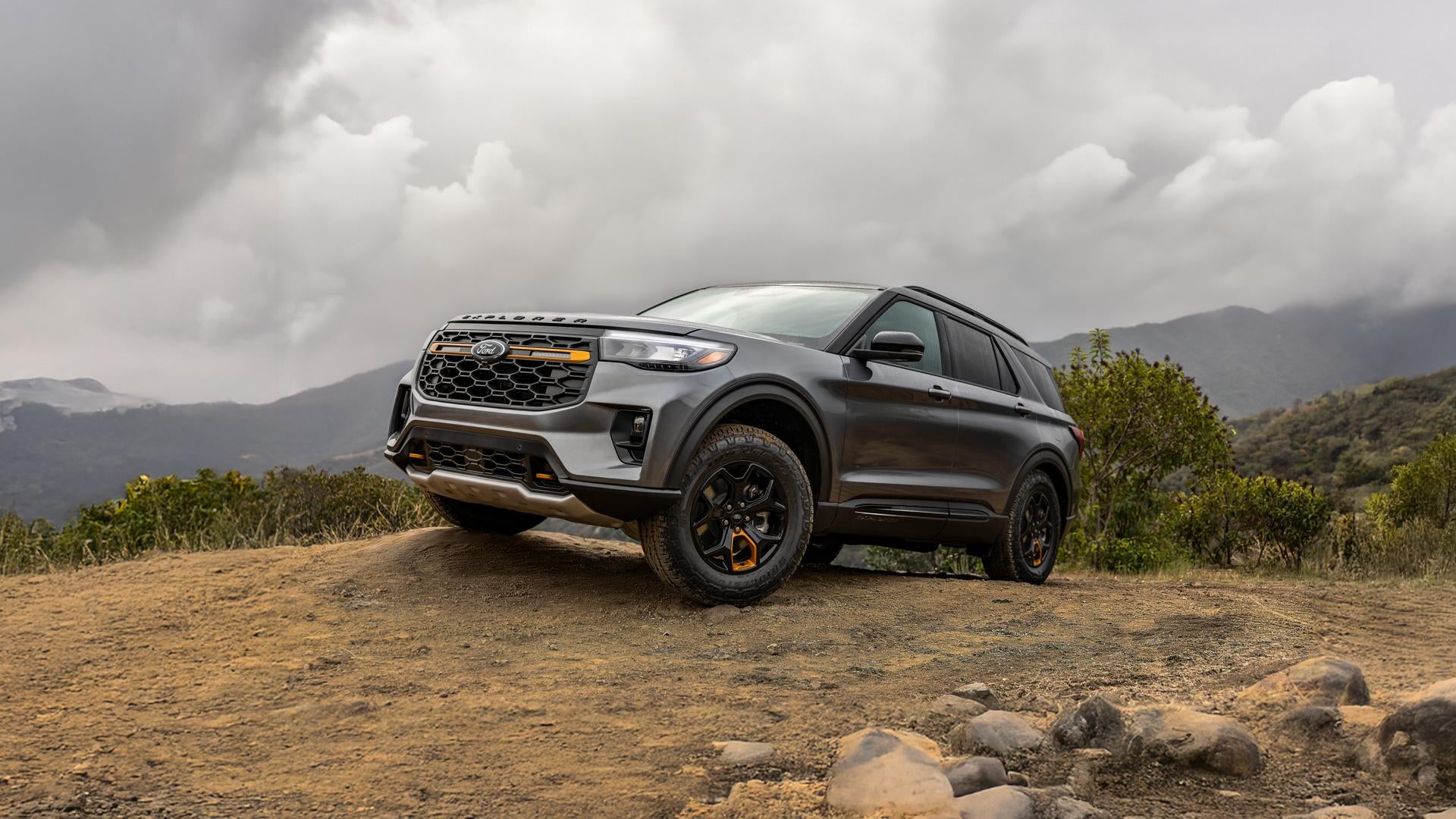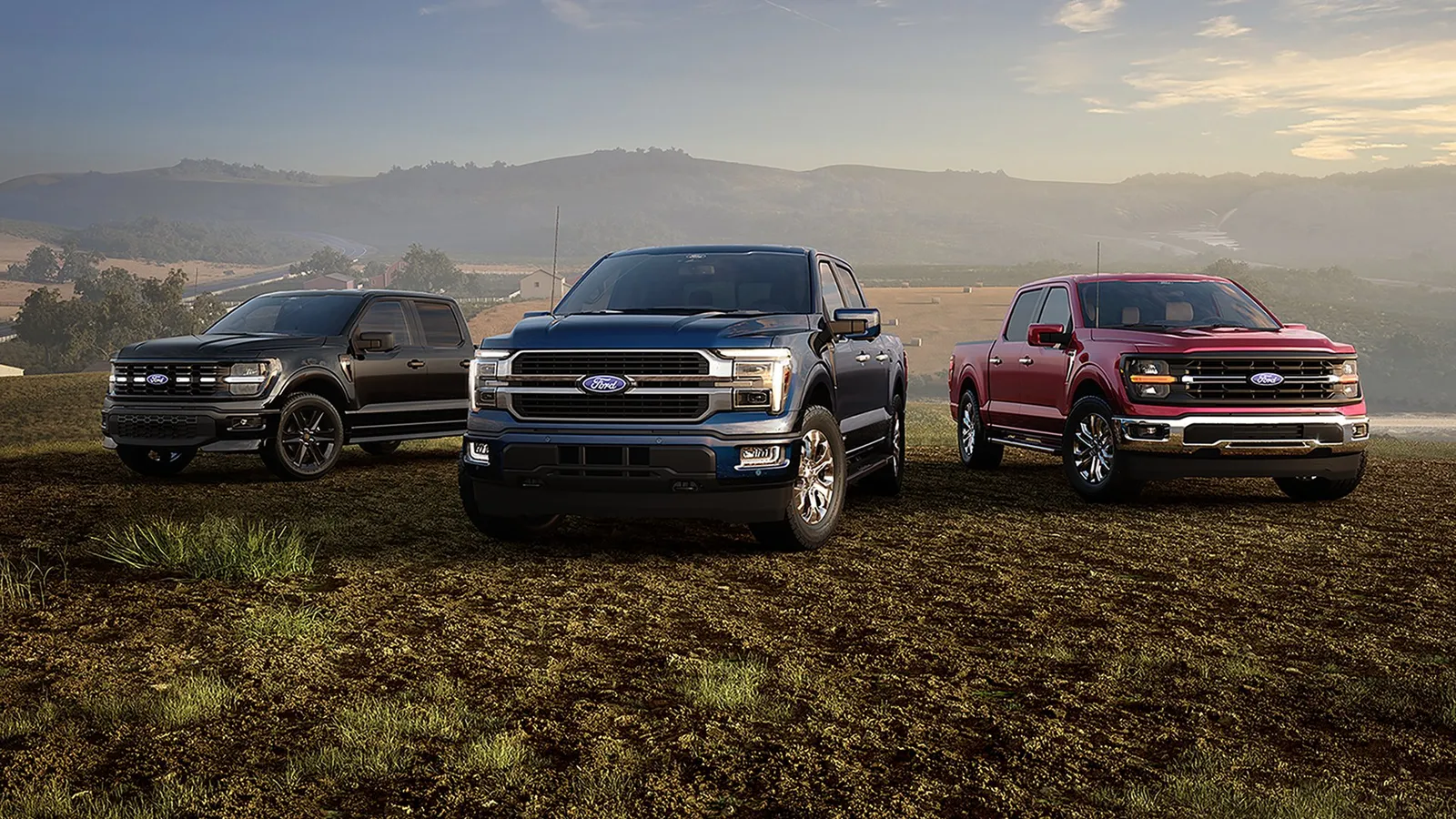
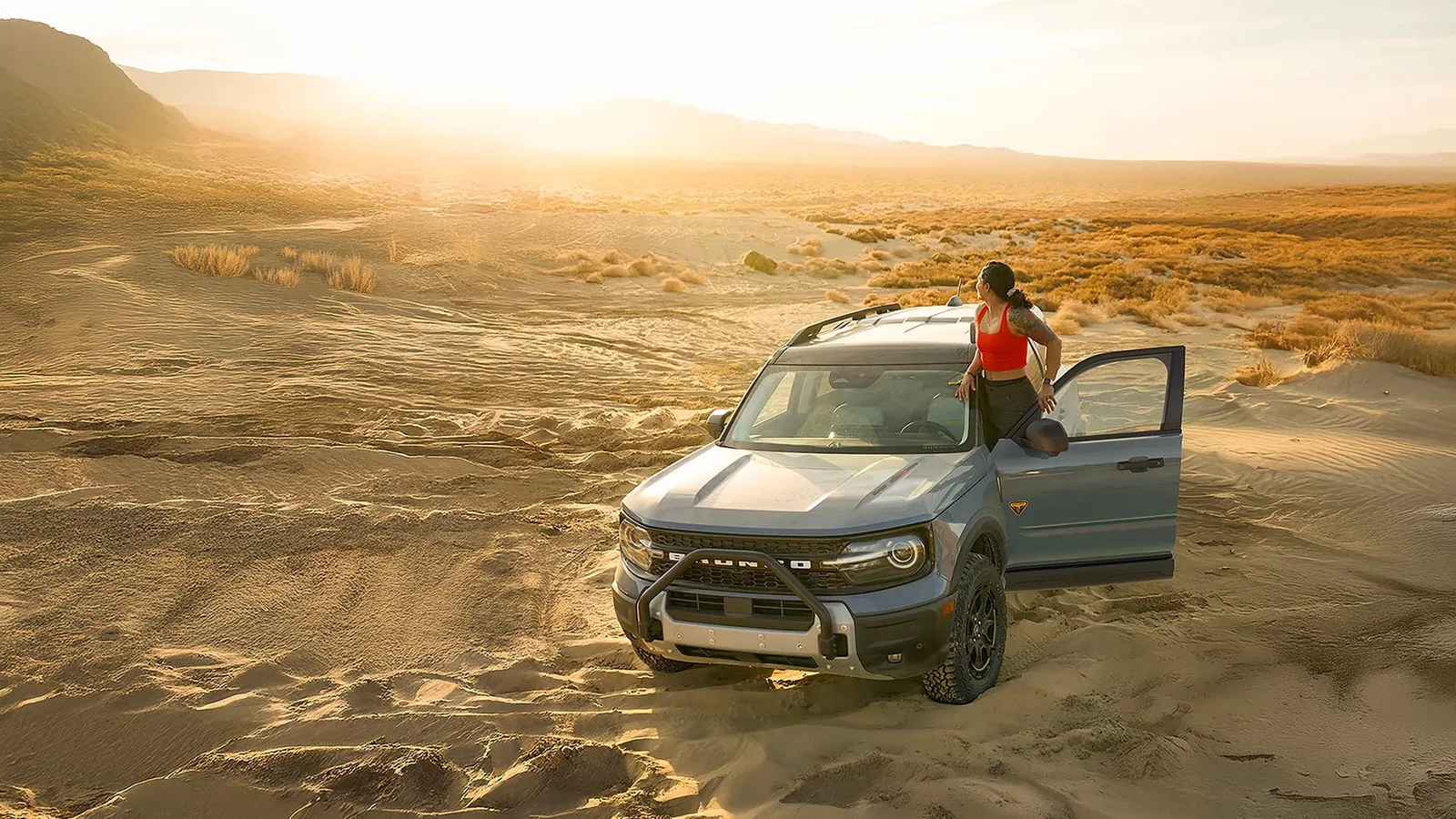
A used F-150 with the right options can be a hard truck to pass up. So can a clean Explorer with third-row room, or a Bronco that looks ready for the trail. But shiny paint and a detailed interior do not tell you how a vehicle was driven, maintained, or repaired. This used car inspection guide helps South Puget Sound buyers look past the first impression before committing to a truck or SUV.
A careful inspection does not replace a professional evaluation, especially on a higher-mileage vehicle. It does help you spot questions worth asking before you spend money, arrange financing, or trade in your current ride. Bring a flashlight, take your time, and inspect the vehicle in daylight if possible. Rain is part of life around Puyallup and Tacoma, but wet panels can hide scratches, dents, and uneven paint.
Start With the Vehicle History and Records
Before checking the truck itself, ask for the VIN and review the available history report. You are looking for title issues, reported accidents, mileage consistency, service entries, and how many owners the vehicle has had. A history report is helpful, but it is not a complete maintenance record or a guarantee that damage never occurred.
Service receipts can tell a fuller story. On a used truck, look for documented oil changes, brake work, tire replacements, transmission service where applicable, and cooling-system maintenance. For a turbocharged engine, regular oil service matters even more. For a diesel or heavily worked pickup, ask specifically about towing use, aftermarket tuning, and major component repairs.
There is no automatic rule that says a one-owner vehicle is better than a two-owner vehicle. A well-maintained work truck with clear records can be a smarter buy than a lightly used truck with no paper trail. What matters is whether the condition, mileage, and records tell the same story.
Used Car Inspection Guide: Check the Exterior First
Walk around the vehicle slowly before opening a door. Stand several feet back and look down each side panel. Differences in paint shade, wavy reflections, overspray on trim, or unusually wide body gaps can point to previous bodywork. Repair work is not always a deal-breaker, but it should be disclosed and priced appropriately.
Pay close attention to places that work trucks and Pacific Northwest vehicles tend to show wear. Check the rocker panels, lower door edges, wheel wells, frame rails, trailer hitch, and bed floor. Surface rust can be normal, particularly on exposed suspension parts. Flaking metal, corrosion around brake lines, or rust that looks structural deserves a closer look from a technician.
Tires offer an honest clue about alignment and suspension condition. Check for matching tire brands and sizes across an axle, then look at the tread. Uneven wear on the inner or outer edge may mean the vehicle needs an alignment, has worn suspension components, or has been driven with improper tire pressure. On 4WD and AWD vehicles, badly mismatched tires can create extra strain on drivetrain components.
Also test the simple things people often skip: headlights, taillights, turn signals, mirrors, wipers, locks, tailgate or liftgate, backup camera, and every exterior handle. A small fix may be no big deal. Several small issues can reveal a vehicle that has not received much attention.
Look Under the Hood and Underneath
Open the hood with the engine cold if you can. You do not need to be a technician to notice obvious concerns. Look for wet fluid leaks around the engine, radiator, hoses, battery, and reservoir caps. Check whether the engine oil looks extremely low or has a milky appearance. Coolant should be at the proper level and should not look rusty or oily.
A very clean engine bay is not proof of trouble, but it can make leaks harder to see. Smell matters, too. A sharp fuel odor, sweet coolant smell, or burnt-oil smell should lead to a question and, if you remain interested, a professional inspection.
If the vehicle can be safely raised or viewed from the ground, look beneath it for fresh drips, damaged skid plates, hanging wiring, torn boots, and hard impacts on the frame or suspension. With off-road-oriented models, scratches on skid plates are expected. Deep dents, bent parts, or evidence of improvised repairs are different. A truck built for trails can still be a great purchase, but its underbody should match the seller's story.
Sit in Every Seat and Test Every Control
Wear on the driver's seat, steering wheel, pedals, and switchgear should make sense for the odometer reading. Excessive wear does not prove mileage has been altered, but it is worth comparing with the vehicle history and service records.
Start the engine and watch the instrument cluster. Warning lights should illuminate briefly during startup, then turn off. Do not accept a seller's promise that a check-engine light is “just a sensor” without a diagnosis. The same goes for ABS, airbag, battery, oil-pressure, and four-wheel-drive warnings.
Take a few minutes with the climate controls, infotainment screen, USB ports, power seats, windows, sunroof, and seat heaters. If you are buying an SUV for family duty, try the second and third rows yourself. Check how easily car seats, gear, or passengers fit. If you are shopping for a pickup, inspect the bed, tie-down points, tailgate operation, trailer connector, and brake controller if equipped.
Take a Real Test Drive, Not a Lap Around the Block
Plan a drive that includes neighborhood streets, rough pavement, a few turns, and highway speed. Start with the radio off. You want to hear what the vehicle is doing.
Pay attention to these four areas during the drive:
- Engine and transmission: The engine should start without long cranking, settle into a smooth idle, and accelerate without hesitation. Transmissions should shift predictably, without slipping, harsh banging, or delayed engagement when moving from Park to Drive or Reverse.
- Steering and suspension: The vehicle should track straight on a level road. A pull, wandering steering wheel, clunks over bumps, or excessive bouncing may point to alignment, tire, or suspension work.
- Brakes: Find a safe, open stretch of road and brake firmly. The pedal should feel consistent, and the vehicle should not pull, shake, or make grinding noises.
- Four-wheel drive or AWD: If conditions and the owner's instructions allow, test the appropriate drive modes. Watch for warning messages, binding, or unusual noises. Do not use a part-time 4WD setting on dry pavement just to test it.
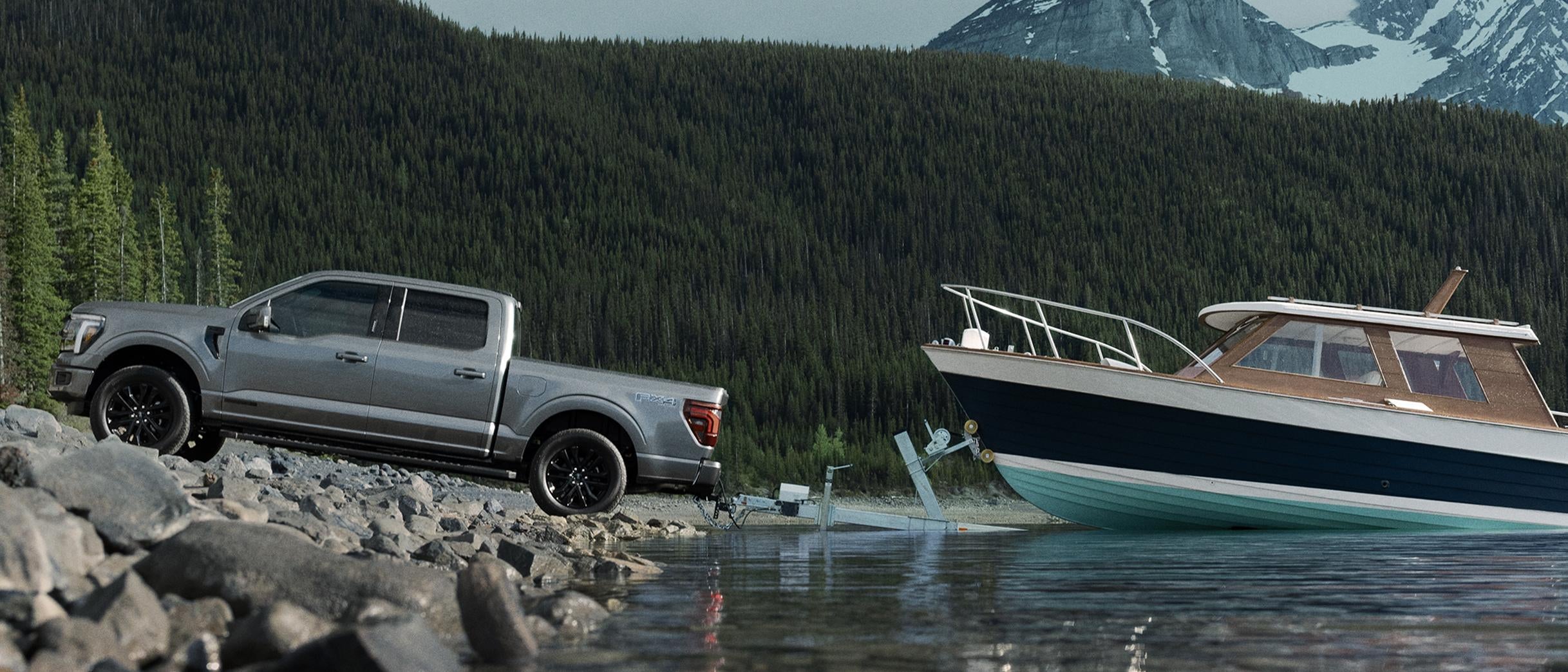
For a used F-150 or other tow-capable truck, ask whether it has towed and how often. Towing is not automatically bad. These trucks are built for work. But regular heavy towing can add wear to brakes, tires, suspension, cooling systems, and transmissions. A pre-purchase inspection is especially wise when a truck has a hitch, brake controller, or visible signs of commercial use.
Get a Pre-Purchase Inspection Before You Buy
The best final step is an independent pre-purchase inspection. A qualified technician can scan for stored diagnostic codes, measure brake and tire condition, look for hidden leaks, inspect the chassis, and identify repairs that may not be obvious on a test drive. It is a modest expense compared with discovering a major issue after the sale.
If a seller refuses to allow a reasonable inspection, treat that as useful information. It does not prove the vehicle has a problem, but it changes the risk. Walk away if the explanation, condition, and documentation do not line up. There will be another truck or SUV.
At Korum Ford, our service team sees what heavy use, missed maintenance, and Northwest weather can do over time. Whether you are considering a used vehicle from a dealer or a private seller, scheduling a professional inspection can turn a hopeful purchase into a confident one. The right vehicle should fit your work, weekend plans, family, and budget, not leave you guessing once it is parked in your driveway.
Frequently Asked Questions
Do Washington dealers have to say whether a used car is sold as is?
Yes. Federal rules require dealers to display a Buyers Guide on every used vehicle offered for sale, stating whether it is sold as is or with a warranty and what any warranty covers. The guide becomes part of your sales contract. Read it carefully, ask questions and keep a copy with your purchase documents.
Does a used vehicle need an emissions test in Washington?
No. Washington ended its vehicle emissions check program, so you do not need an emissions test to register or transfer a used vehicle in Pierce County. A smooth idle, no warning lights and a clean scan for diagnostic codes during a pre-purchase inspection are still smart checks for engine health.
How soon must I transfer the title after buying a used vehicle in Washington?
Washington gives buyers fifteen days to transfer ownership into their name, and late transfers add penalties. When you buy from a dealer like Korum Ford, the dealership handles the title and registration paperwork. When you buy from a private seller, you are responsible for completing the transfer with the Department of Licensing.
What is the difference between a used Ford and a certified pre-owned Ford?
A Ford Blue Advantage certified vehicle has passed a detailed factory program inspection and includes Ford-backed warranty coverage and a short money-back guarantee period. A standard used vehicle may be sold as is or with limited coverage. Certified vehicles often cost more, so compare the extra protection with the price difference on each vehicle.