A fleet truck that sits waiting for approval does not earn a dollar. For a contractor headed to a Tacoma jobsite, a delivery company adding a route in Kent, or a landscaping crew preparing for spring, the right financing plan can mean getting capable vehicles on the road without putting unnecessary pressure on cash reserves. This commercial fleet financing guide breaks down the decisions that matter before you add work trucks, vans, or SUVs to your operation.
Start With the Job, Not the Monthly Payment
The first question is not, "What can we afford per month?" It is, "What does this vehicle need to do every day?" A lower payment can look attractive until the truck lacks the payload, towing rating, cab space, or upfit capacity your crew needs. Then the savings disappear in extra trips, downtime, or an early replacement.
Build your fleet plan around the work. A plumbing company may need secure enclosed storage and easy city parking. A construction business may need four-wheel drive, a service body, and enough payload for tools and materials. A company moving people between Puyallup, Seattle, and Federal Way may place more value on passenger room, fuel costs, and comfort than maximum towing.
Write down expected annual mileage, typical load, trailer weight, number of drivers, required equipment, and how long you expect to keep each vehicle. This gives you a clearer picture of total cost than a payment alone ever can.
Consider the Cost of Downtime
A truck is not only an asset on a balance sheet. It is a mobile workspace and, often, a rolling billboard for your business. When it is out of service, crews may miss appointments, delay a project, or rent a replacement at a premium.
That is why fleet buyers should factor in maintenance access, warranty coverage, parts availability, and a realistic replacement schedule. Buying a less expensive, higher-mileage used truck can make sense for certain applications. But it may not be the best choice for a vehicle that has to start every morning and carry a crew across the region.
Commercial Fleet Financing Guide: Loans vs. Leases
Most business fleet financing comes down to a traditional loan or a commercial lease. Neither is automatically better. The right choice depends on how you use the vehicle, how quickly it accumulates miles, and whether ownership matters to your business.
With a loan, your company finances the purchase and builds equity as payments are made. Once the loan is paid off, you own the vehicle outright. This route often fits businesses that keep trucks for a long time, add permanent equipment, or need the freedom to rack up miles without lease restrictions. It can also be a strong fit for specialized upfits, such as utility bodies, ladder racks, tool storage, or plows.
A lease generally provides a set term and payment, with the vehicle returned, purchased, or replaced at the end of the agreement. Leasing may appeal to companies that want predictable cycling, newer technology, and lower upfront costs. It works best when mileage is relatively predictable and the truck will not be heavily modified.
The trade-off is simple: leasing can keep payments and refresh schedules manageable, while buying gives you greater long-term control. A business that runs trucks hard for eight years may lean toward ownership. A company that wants to update vehicles every three years and keep a polished, current image may prefer leasing.
Know What Lenders Review
Commercial financing is not exactly the same as financing a personal vehicle. Lenders want to understand both the borrower and the business behind the application. Newer businesses can still qualify, but they may need a stronger personal credit profile, a larger down payment, or a personal guarantee.
Expect to discuss your business structure, time in business, annual revenue, tax identification number, and the vehicles you plan to purchase. Some lenders may ask for bank statements or financial records, particularly for larger fleet purchases. Having those details ready can speed up the process and reduce surprises.
Credit matters, but it is not the entire story. Cash flow, the age and condition of the vehicles, the amount financed, and the down payment all influence available terms. If an offer has a very low payment, look closely at the term length. Stretching a loan can help monthly cash flow, but it may increase total interest paid and leave you owing more than the truck is worth for longer.
Set a Down Payment That Protects Cash Flow
There is no universal best down payment. Putting more down reduces the amount financed and can lower the monthly payment. It may also help secure better terms. But draining working capital to make a large down payment can create a different problem when payroll, inventory, fuel, or unexpected repairs come due.
A practical approach is to decide how much cash the business must keep available after the purchase. That reserve should reflect your seasonality and operating expenses. A landscaping company may need extra flexibility before its busiest months. A year-round service business may be comfortable committing more upfront if revenue is steady.
Also account for costs outside the vehicle price. Registration, insurance, graphics, upfits, accessories, taxes, and maintenance equipment can add up quickly. Financing the truck is only one part of putting it to work.
Choose the Right Term for the Vehicle’s Life
A longer financing term usually lowers the payment, which can be useful when adding several trucks at once. Yet a term should still match the expected useful life of the vehicle. Financing a heavily used truck for longer than you plan to keep it can make replacing it harder later.
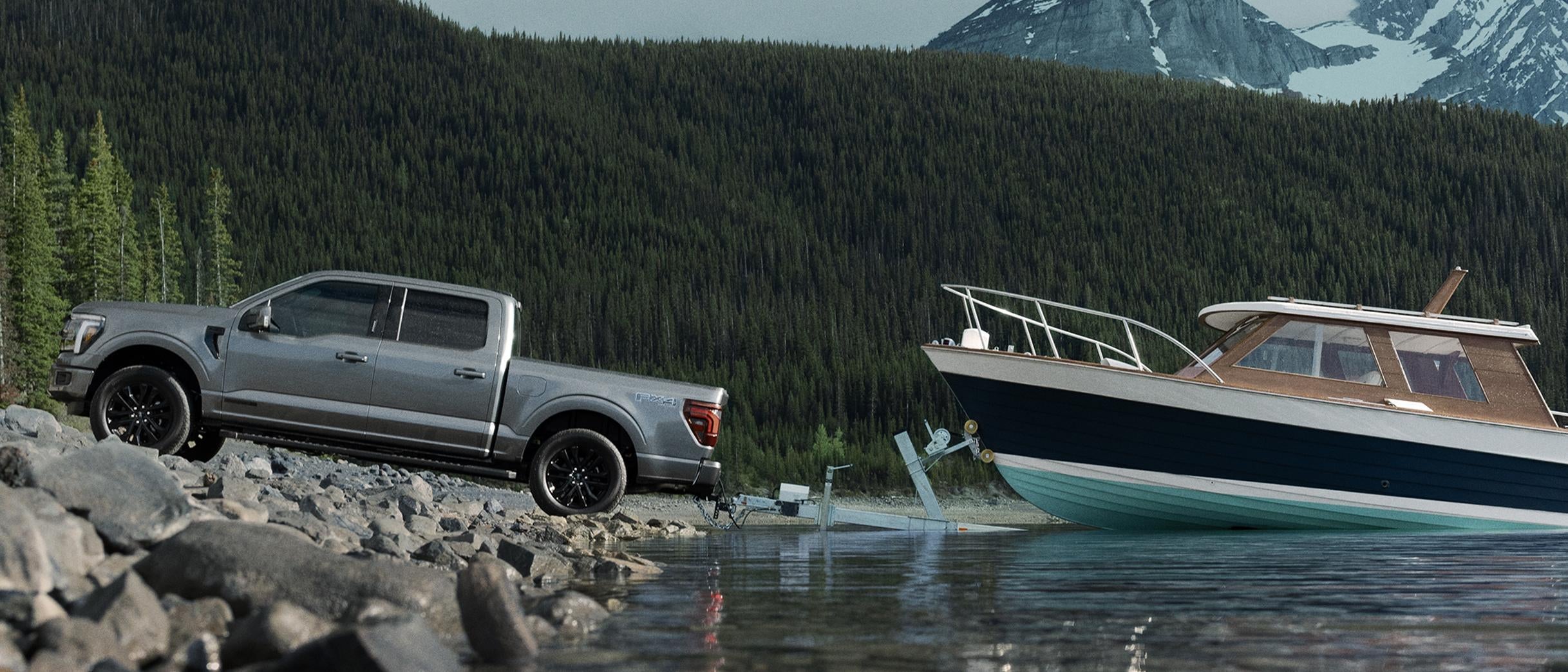
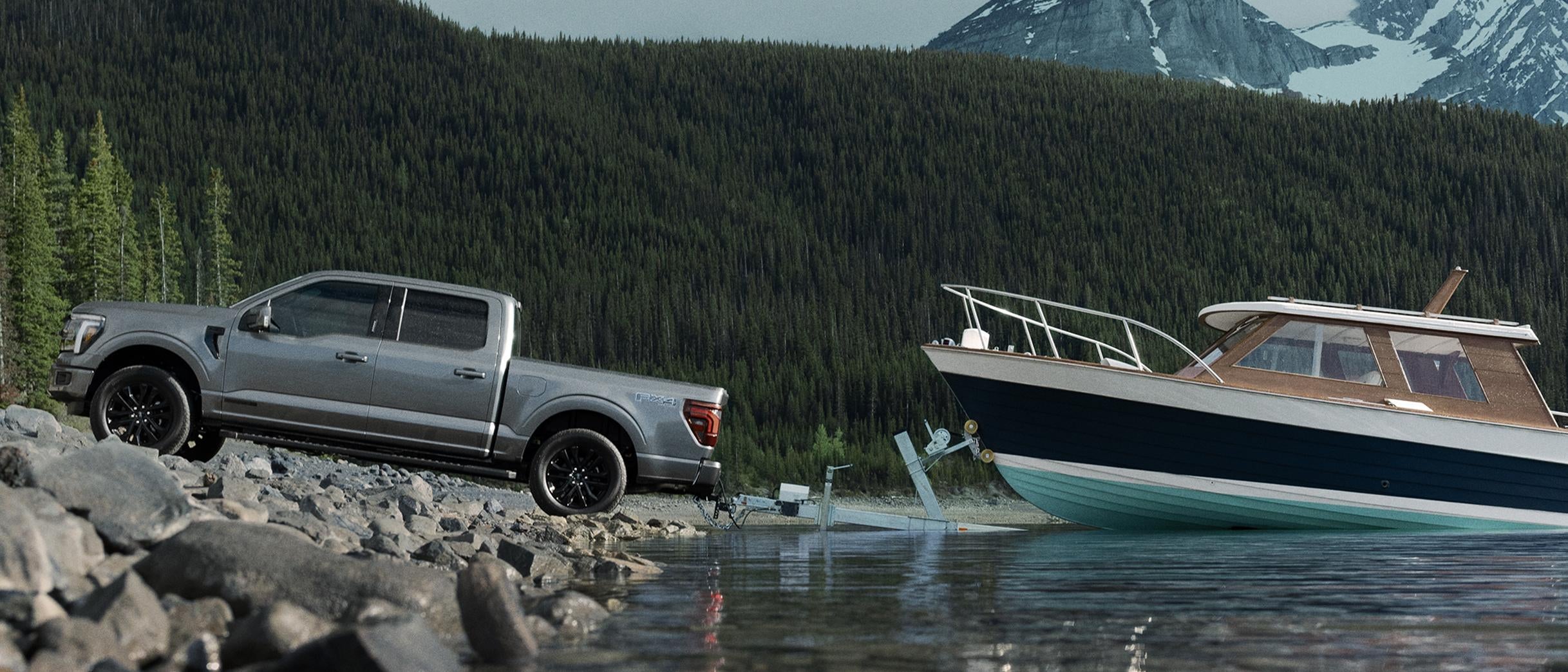
For example, a new Ford F-150 used as a light-duty estimator or supervisor vehicle may have a different replacement timeline than a Super Duty used daily for towing equipment. The heavier the work, the more important it is to plan for wear, maintenance, and resale value early.
Ask for payment scenarios at more than one term. Comparing a shorter option with a longer one lets you see the real trade-off between monthly breathing room and total financing cost. If your business has uneven revenue, discuss whether a structure that better matches your payment cycle is available rather than forcing a one-size-fits-all arrangement.
New, Used, and Upfitted Fleet Vehicles
New vehicles bring the latest safety features, full warranty coverage, and a clean slate for maintenance history. They can be especially valuable when reliability, employee safety, or a professional customer-facing image are priorities. New trucks also make more sense when you need to order a specific cab, bed, powertrain, or equipment package.
Used fleet vehicles can stretch a budget further and may be the faster choice when a business needs another truck now. The key is condition, not simply model year. Service records, tire wear, brake condition, towing history, accident history, and inspection results deserve attention. A used truck that has been properly maintained can be a smart business tool. One with hidden issues can cost more than a newer vehicle before long.
Upfits need their own planning. Make sure the truck’s payload rating still supports the body, racks, tools, cargo, and occupants you expect to carry. A good financing conversation includes the completed work vehicle, not just the bare chassis.
Build a Fleet Plan That Can Grow
Buying one truck is a transaction. Building a fleet is a system. Standardizing around a few vehicle types can simplify training, maintenance, parts, tires, and resale. It can also help drivers move between vehicles without learning a completely different setup every time.
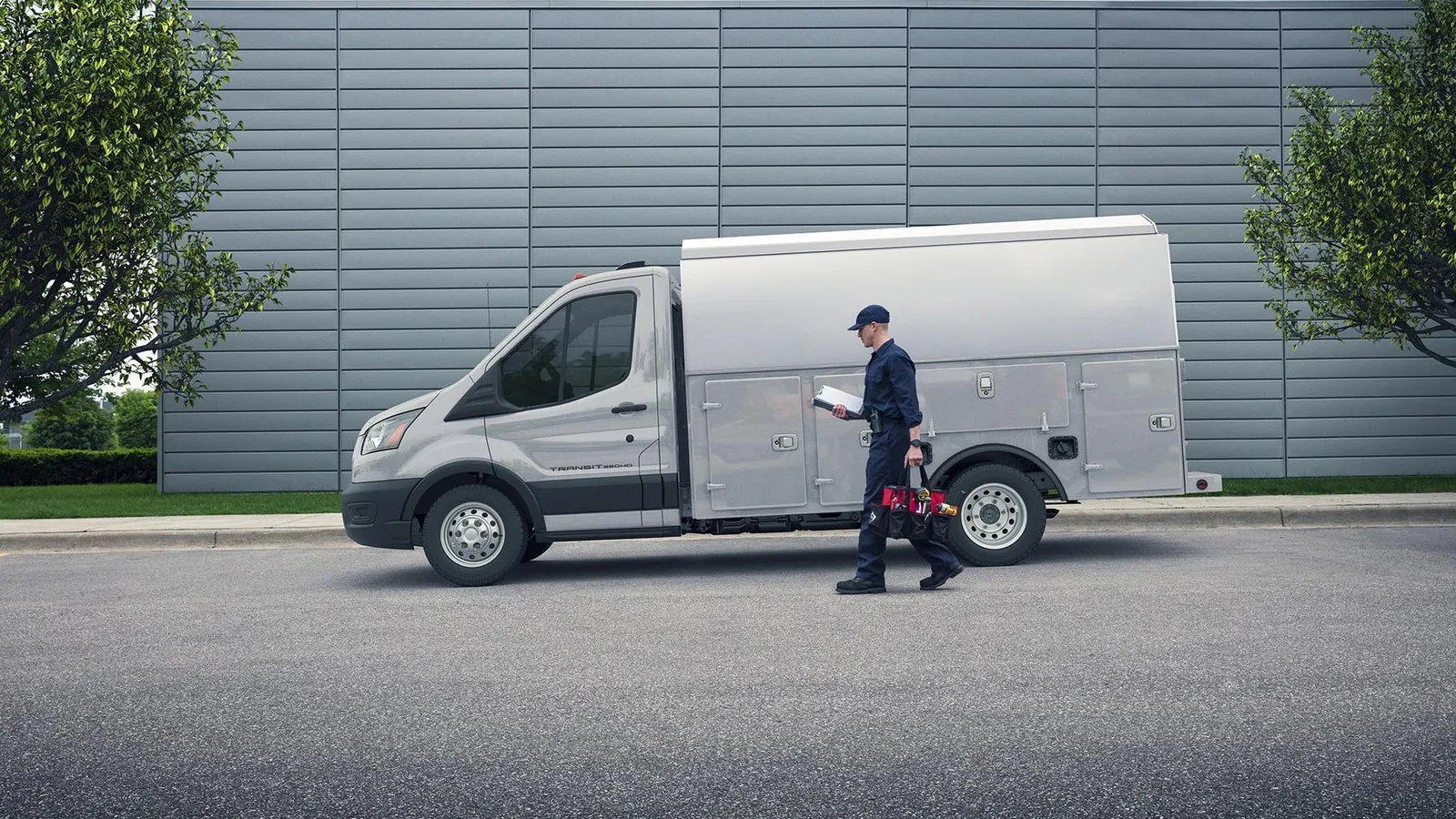
That does not mean every truck has to be identical. A crew may need a mix of light-duty pickups, heavy-duty tow vehicles, Transit vans, and SUVs. The goal is to give each role a purpose and avoid buying capability you will never use.
Before signing, ask for the full out-the-door figure, interest rate, term, payment schedule, any prepayment details, and what happens at the end of a lease. If you are comparing proposals, compare the total amount paid and the vehicle specifications side by side. A cheaper offer is not truly cheaper if it leaves out necessary equipment or provides less useful capacity.
At Korum Ford, our team understands that a work truck has to earn its keep. Bring in your job requirements, fleet goals, and budget questions, and we can help you look at options without treating your business like a number. The right next truck should fit the work waiting for it and leave your company ready for the next opportunity, too.
Frequently Asked Questions
Does Korum Ford accept commercial credit applications?
Yes. Alongside its standard finance application, Korum Ford offers a Ford commercial credit application for businesses buying work trucks and vans. Have your business name, tax identification number, time in business and the vehicles you plan to add ready. The commercial team can then lay out loan and lease scenarios side by side so you can compare total cost, not just payment.
How can a fleet keep trucks working while they are in for service?
Plan service around your schedule. Korum Ford's commercial vehicle center lists before and after hours drop off and a courtesy shuttle, and the service department is open weekdays and Saturdays. Booking routine maintenance ahead of your busiest season and staggering appointments across the fleet helps keep enough trucks on the road while each one gets attention.
Can a business deduct the cost of a work truck?
Possibly. Depreciation and expensing rules depend on the vehicle, how much it is used for business, your business structure and current tax law. IRS Publication 946 explains how property is depreciated, but the details are complex. Talk with a qualified tax professional before you choose a vehicle, a purchase or a lease based on projected tax savings.
Should a Washington fleet standardize on one Ford model?
Standardizing on a few models can simplify driver training, parts, tires and maintenance planning, and it can make resale easier. It does not mean every truck must match. Many South Sound fleets mix light-duty pickups, Super Duty tow rigs and Transit vans, with each role defined by payload, towing and passenger needs. Start with the job each vehicle does.