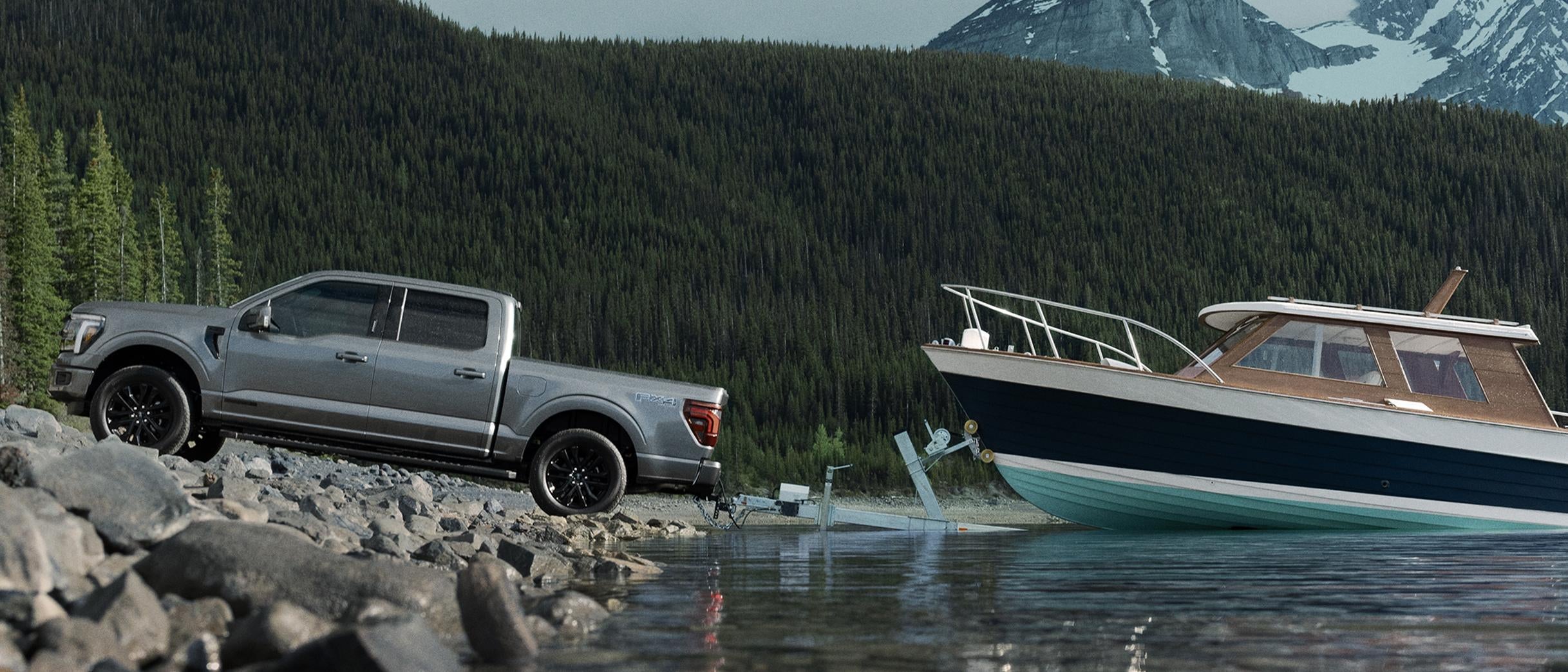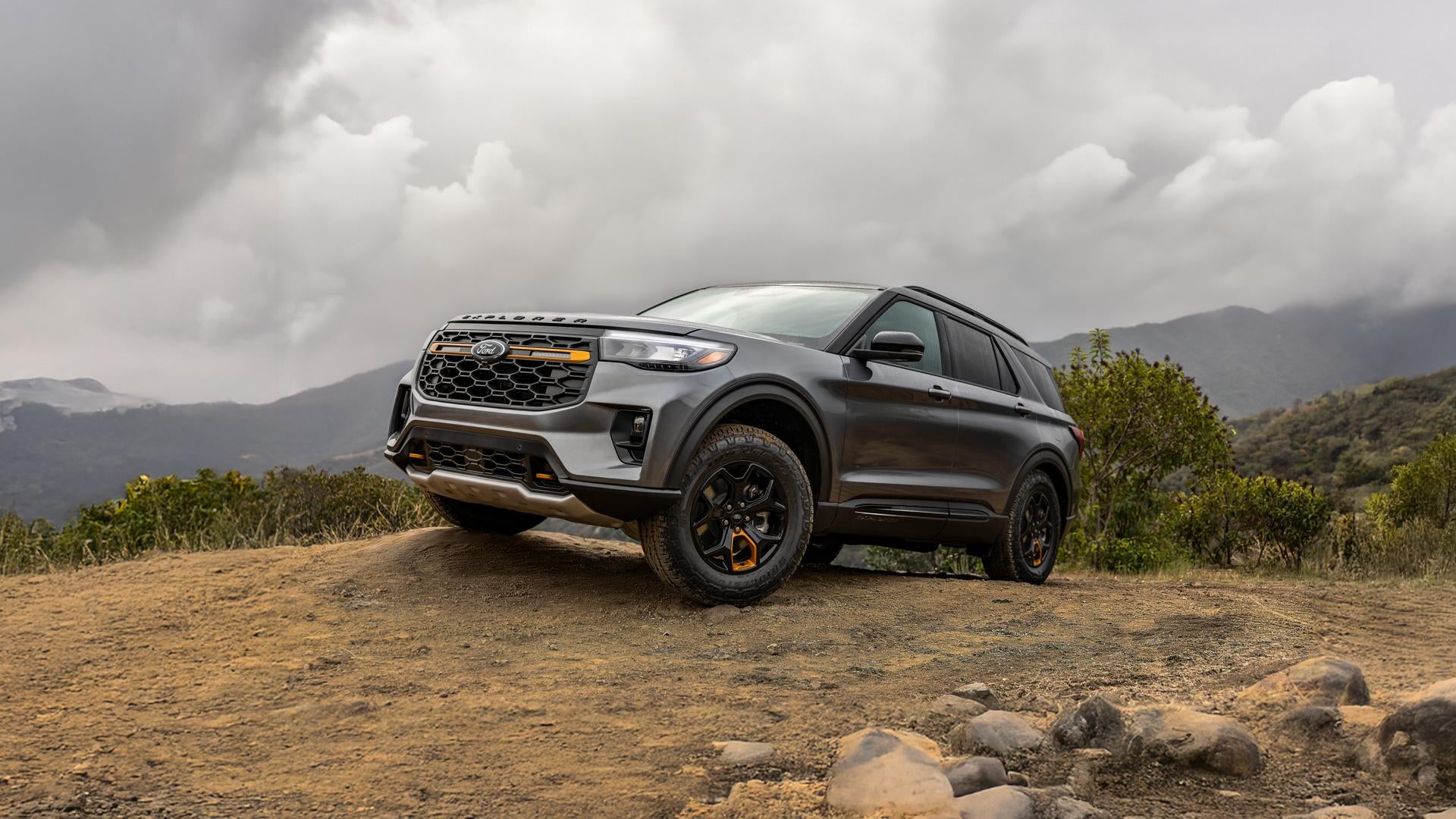
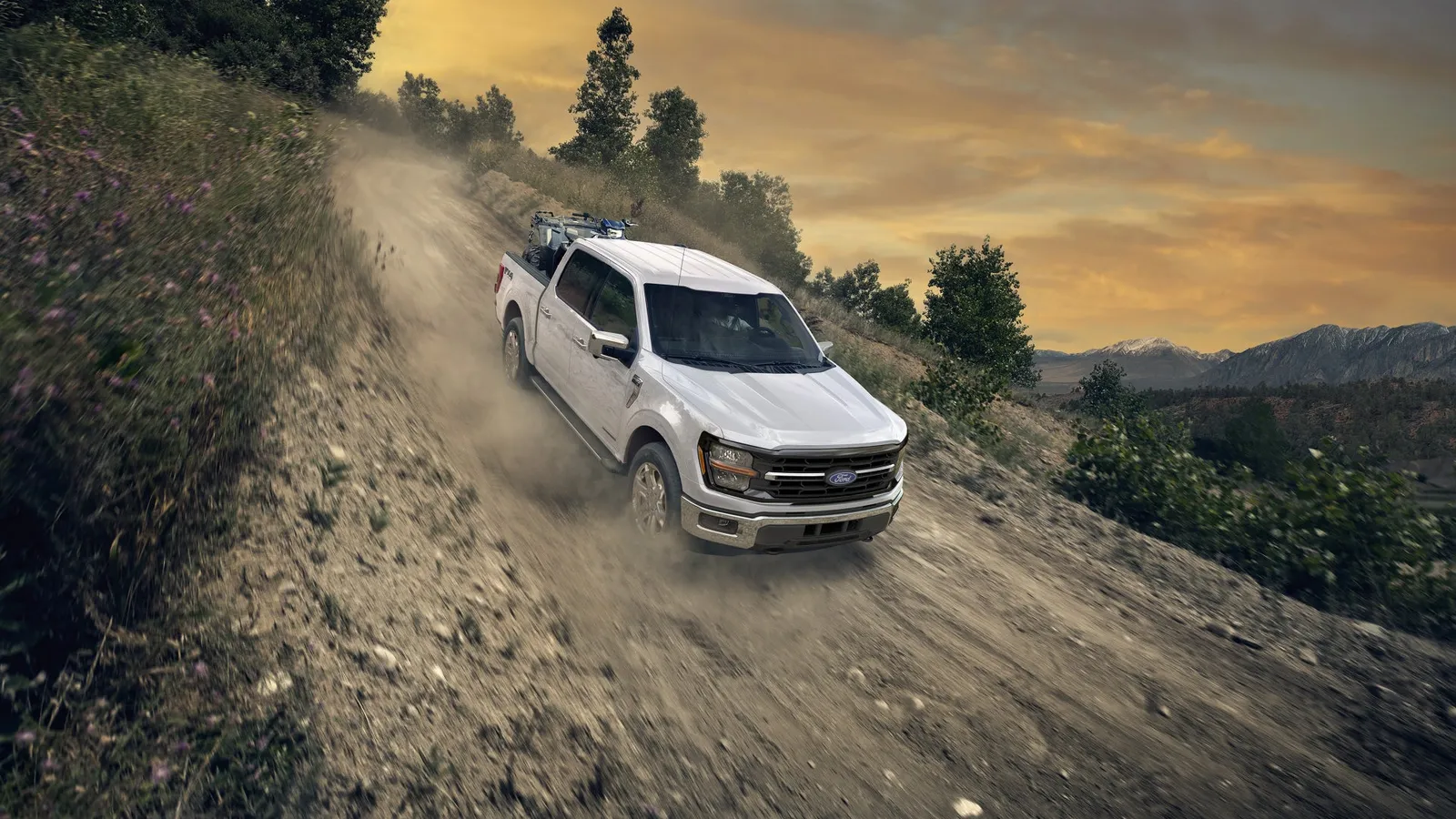
A truck has to earn its keep, whether it is hauling equipment through Tacoma, towing a camper toward the mountains, or handling the daily family routine in Puyallup. That is why understanding truck loan requirements before you shop can make the whole buying process feel more straightforward. You will know what lenders need, what payment range makes sense, and where you may have room to improve your approval terms.
Financing is not one-size-fits-all. A buyer with a long credit history and a sizable down payment may qualify for a lower rate than someone rebuilding credit or financing their first vehicle. The good news is that a few practical steps can put you in a stronger position before you choose the F-150, Ranger, Super Duty, Bronco, Explorer, or used truck that fits your life.
The Core Truck Loan Requirements
Most auto lenders focus on the same basic question: Can you comfortably repay this loan? They answer it by looking at your identity, income, credit profile, existing debt, the truck itself, and the size of your down payment.
Proof of identity and residence
You will typically need a valid driver license and basic personal information, including your Social Security number or tax identification number. Lenders also need a current address. If your license shows an old address, bringing a recent utility bill, lease agreement, mortgage statement, or other acceptable proof of residence can prevent a small detail from slowing down paperwork.
If you have recently moved to the South Sound or have a different mailing and residential address, mention it early. Clear, consistent information helps the finance process move faster.
Verifiable income
Income is a major part of loan approval because it helps establish an affordable monthly payment. Many buyers can verify income with recent pay stubs, W-2 forms, bank statements, or tax returns. Self-employed buyers may need additional documentation, such as recent tax returns, profit-and-loss statements, or business bank statements.
The key is not necessarily having one specific income level. It is showing a reliable ability to handle the payment alongside rent or mortgage costs, credit cards, student loans, and other regular obligations. Overtime, bonuses, commissions, military pay, retirement income, and certain benefits may count, but documentation matters.
Credit history and score
Your credit score affects the interest rate and terms you may receive, but it is not the only factor. Lenders also review the length of your credit history, your record of on-time payments, how much revolving credit you use, and recent credit applications.
Strong credit can mean more choices and a lower rate. Fair or challenged credit does not automatically mean you cannot finance a truck. It may mean a lender requests more proof of income, a larger down payment, or a shorter loan term. Be honest about your situation from the start so the financing team can focus on realistic options rather than wasting your time.
Debt-to-income ratio
A lender compares your monthly debt obligations with your gross monthly income. This is known as debt-to-income ratio. It helps answer whether the proposed truck payment leaves enough room in your budget.
For example, a buyer with a solid credit score may still face tighter terms if they already carry high monthly debt payments. Conversely, someone with modest credit but steady income and limited debt may present a stronger application than they expect. Paying down a credit card balance or avoiding a new large purchase before applying can help improve this part of your profile.
The Truck You Choose Matters, Too
Truck loan requirements are not only about the person applying. The vehicle affects the loan as well. New vehicles often qualify for longer terms and promotional rates because lenders can easily establish their value. Late-model used trucks can also be excellent finance candidates, especially when they have reasonable mileage and a clean history.
Older, high-mileage trucks may have shorter available terms or require more money down. That does not make them a bad choice. A lower purchase price can still make an older work truck the right move for a budget. It simply means the payment structure may look different.
Think about the total ownership picture, not just the advertised payment. A heavier-duty truck built for towing may cost more to fuel, insure, and maintain than a midsize pickup. An SUV with the passenger room your family needs may be worth the difference, but it should fit your monthly budget after insurance and other expenses are included.
How Much Should You Put Down?
A down payment is not always required, but putting money down can help in several ways. It lowers the amount you finance, which can reduce the monthly payment and the total interest paid over time. It may also improve approval odds or open better rate options, particularly for buyers with limited credit history.
There is no universal right amount. Some buyers put down 10% to 20%, while others use a trade-in as all or part of their down payment. If you owe less on your current vehicle than its trade value, that positive equity can make a meaningful difference. If you owe more than it is worth, known as negative equity, it may be rolled into the next loan, but doing so increases the amount financed.
Saving more is useful, but do not drain every dollar in your account just to make a larger down payment. Keep enough cash for insurance, registration, fuel, maintenance, and the unexpected things that come with owning a vehicle.
Get Ready Before You Apply
A little preparation can save time and help you shop with confidence. Before visiting a dealership, review your credit reports for errors, gather current income documents, and set a comfortable payment target. Consider the full monthly cost rather than deciding solely from a vehicle price.
It also helps to bring these items with you:
- A valid driver license and proof of current address
- Recent pay stubs or other income documentation
- Insurance information, if you have an active policy
- Trade-in title or payoff information, if applicable
If you are buying with a co-applicant, both applicants should be ready to provide their information and documentation. A co-applicant with established credit and income can sometimes help strengthen an application. Both people are responsible for the loan, so it is a decision worth discussing carefully.
Choose a Loan Term That Supports Your Plans
Longer loan terms can lower the monthly payment, which is helpful when you need room in the budget for a truck bed setup, towing gear, or family expenses. The trade-off is that you will generally pay more interest over the life of the loan and may build equity more slowly.
A shorter term usually means a higher payment but less interest overall. The best choice depends on how long you plan to keep the truck, how much you put down, your rate, and how predictable your finances are. If you drive a lot for work, consider how mileage and future resale value fit into that decision.
Avoid stretching your budget just to reach a higher trim or bigger engine. A well-equipped truck that fits your actual needs is more satisfying than a payment that makes every month feel tight.
Questions Worth Asking During Financing
Good financing should be clear, not confusing. Ask for the annual percentage rate, the term length, the amount financed, the total of payments, and whether there are any optional protection products in the deal. Those products can be valuable for some owners, but they should be explained clearly and chosen because they serve your needs.
Also ask how a trade-in changes the numbers and whether putting additional money down affects the rate or payment. If you plan to pay extra toward principal, confirm there is no prepayment penalty. A team that puts people first should welcome those questions.
At Korum Ford, the goal is to help truck and SUV shoppers understand their options without turning the process into a pressure-filled guessing game. Bring your questions, your budget, and a clear idea of what you need the vehicle to do. The right truck loan is one that gets you behind the wheel with a payment you can live with long after the first drive home.
Frequently Asked Questions
Can I get a truck loan with little or no credit history?
Often, yes. First-time buyers can qualify when they show steady, verifiable income and a payment that fits their budget. A down payment, a co-applicant with established credit or a less expensive truck can help. Bring pay stubs and proof of residence, and the Korum Ford finance team can show which options fit your situation.
Do I need a Washington driver license to finance a truck?
Lenders need a valid driver license and proof of your current address. If you recently moved to Pierce County, you can usually apply with your current out of state license and documents showing your new address, though you will need to switch to a Washington license and register the truck in Washington within the state's deadlines.
Will a co-signer help me qualify for a truck loan?
A co-applicant with strong credit and income can improve approval odds and sometimes the rate. Both people are fully responsible for the debt, and missed payments affect both credit reports. Make sure the co-applicant understands that commitment, and bring both people's identification and income documents when you apply to keep the process moving.
Can I apply for truck financing before I visit Korum Ford?
Yes. Korum Ford's website has an online finance application, so you can submit your information before visiting Puyallup. Applying ahead lets the team review options while you shop, and it gives you a clearer idea of the payment range for the F-150, Ranger, Super Duty or used truck you have in mind before the test drive.