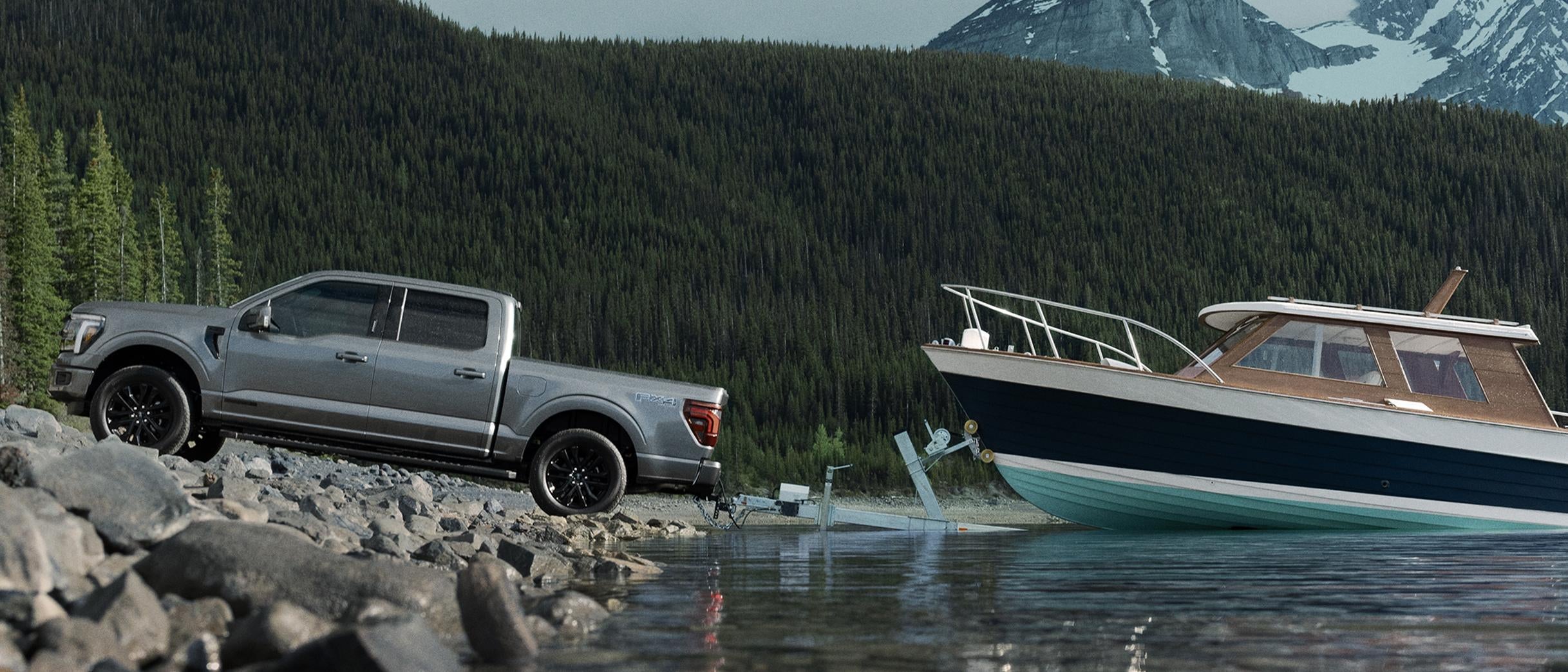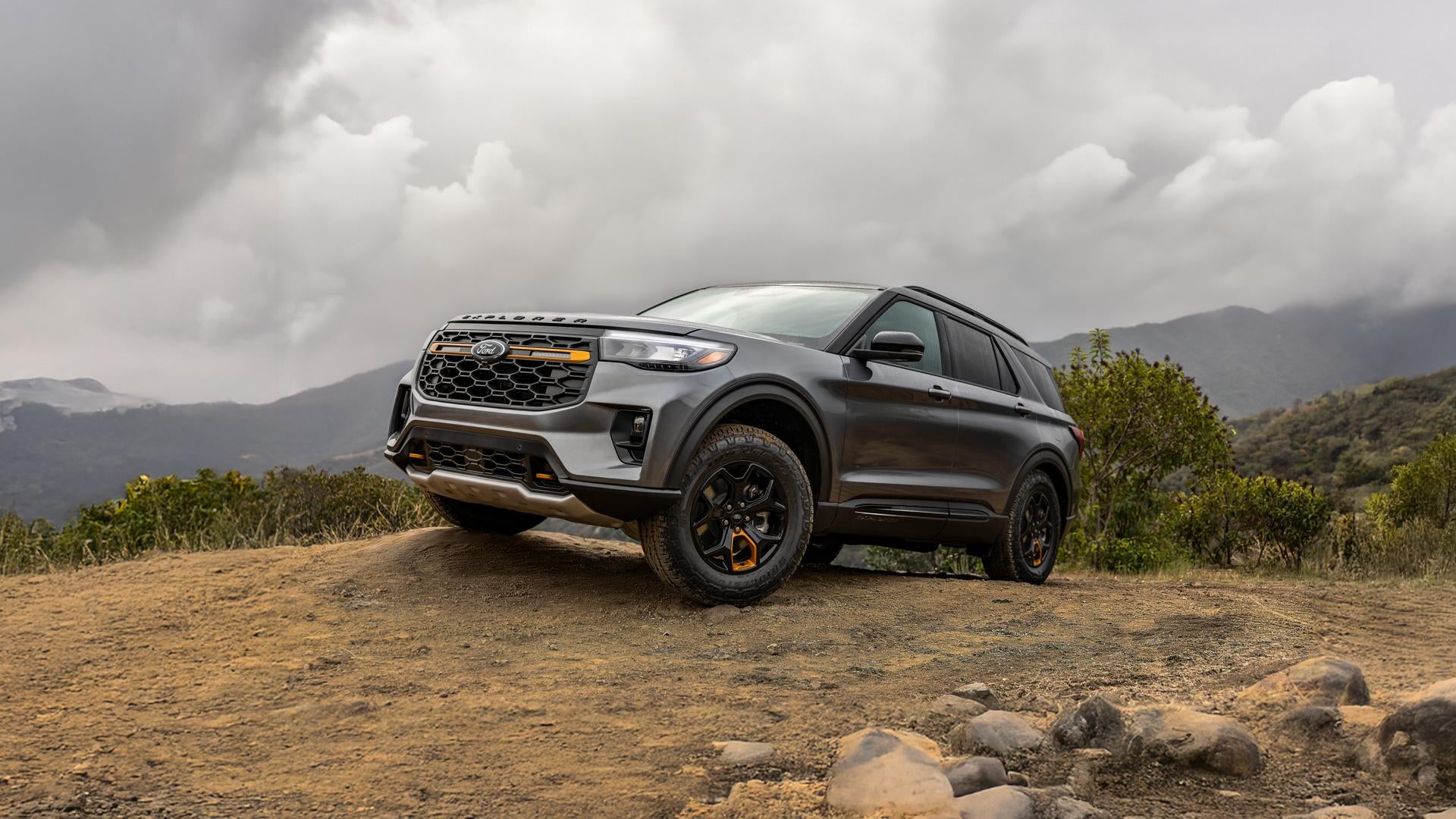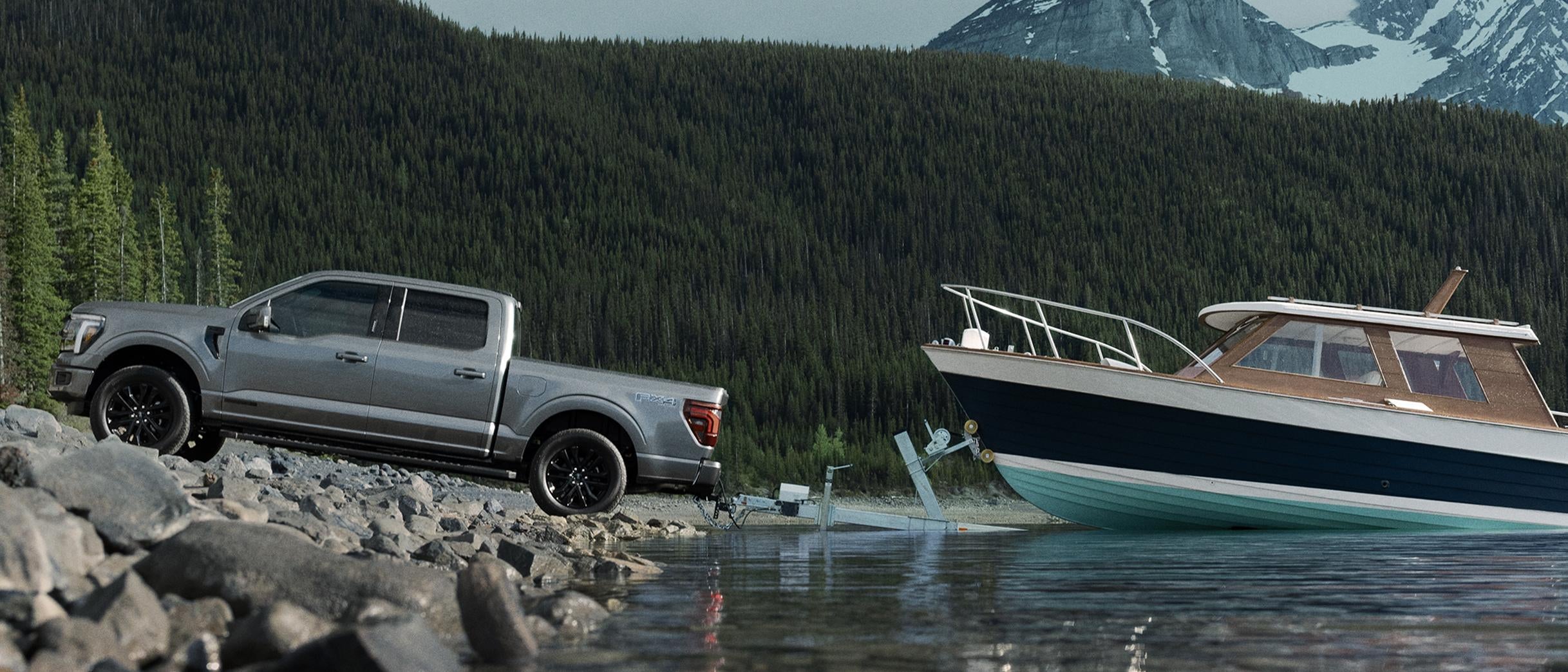
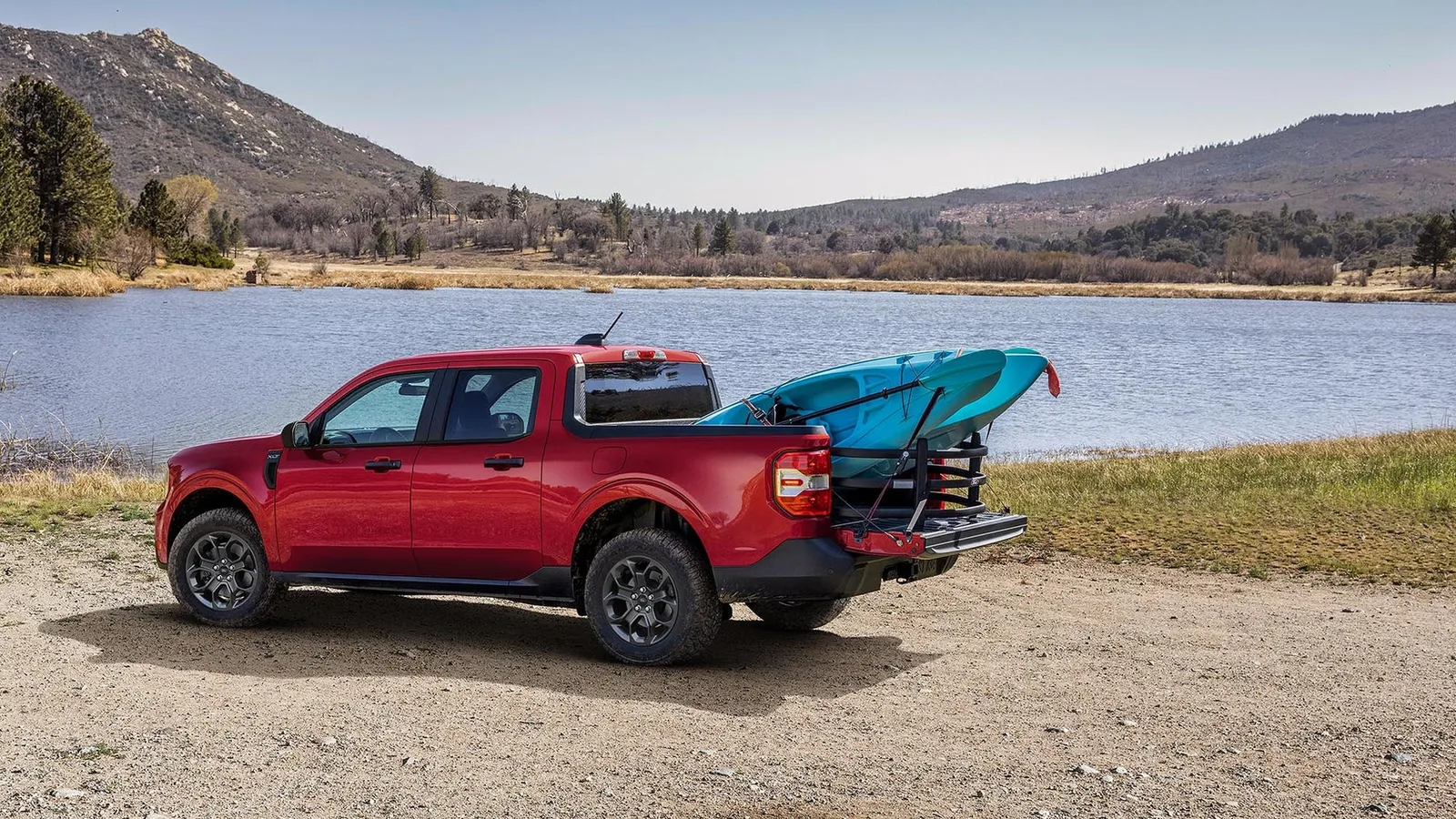
A trade-in is often the down payment sitting in your driveway. For a South Puget Sound truck owner, that can mean real money toward an F-150, Bronco, Explorer, or the used SUV that fits the family budget. Knowing how to value a vehicle trade-in before you arrive helps you recognize a fair offer and ask better questions without turning the process into a guessing game.
The goal is not to find one magic number. Your vehicle has a retail asking price, a wholesale or auction value, a private-party value, and a trade-in value. The number that matters in a dealership appraisal is the one based on what it will cost to recondition, market, and sell your specific vehicle, or send it to auction if it does not fit the lot.
Start with your vehicle's real-world condition
Online pricing tools are a useful starting point, but they only work as well as the details entered. Be honest about trim level, drivetrain, mileage, options, accident history, and condition. A 4x4 F-150 with the right towing package may bring more interest around Puyallup than a basic two-wheel-drive pickup, while an SUV with worn tires or an overdue brake job may need more work before it can be sold.
Condition is where expectations and appraisals often separate. Most drivers naturally remember the good parts: the low miles, new battery, clean interior, or upgraded wheels. An appraiser also has to account for the cracked windshield, tire tread, warning lights, paint damage, smoke odor, missing key, or service that is coming due.
That does not mean every scratch removes hundreds of dollars. Normal wear on a vehicle that has done real work is different from collision damage, corrosion, or a mechanical concern. Take a clear-eyed walk around your vehicle before seeking offers. Check all lights, windows, electronics, air conditioning, seat functions, and four-wheel-drive operation. If something is not working, decide whether repairing it first makes financial sense.
Know what adds value and what usually does not
Factory equipment typically carries more weight than aftermarket accessories because it is easier to verify and appeals to more shoppers. Features such as four-wheel drive, a tow package, leather seating, advanced safety equipment, a third row, a panoramic roof, or an off-road package can affect demand.
Quality upgrades can still help a truck stand out, especially practical items like a bed liner, tonneau cover, running boards, or well-installed towing equipment. But do not assume you will get back every dollar spent on lift kits, wheels, audio systems, or performance parts. Modifications are personal. The right buyer may love them; another may prefer an unmodified vehicle.
Research comparable vehicles, not just a single estimate
The best way to learn how to value a vehicle trade-in is to compare several sources and look for a reasonable range. Use reputable valuation tools, then search listings for vehicles that truly match yours. Match the model year, trim, mileage range, drivetrain, major equipment, title history, and condition as closely as possible.
Keep one key distinction in mind: asking prices are not selling prices. A dealer listing for a similar truck includes reconditioning, inspection, detailing, photography, advertising, warranty considerations, overhead, and room for negotiation. Your trade-in offer will normally be lower than that retail number because the dealership takes on those costs and risks.
Local demand matters, too. Four-wheel-drive trucks, capable SUVs, and vehicles with solid towing credentials often attract interest in the Tacoma, Kent, Federal Way, Seattle, and Puyallup area. Still, demand is only one part of the equation. High mileage, a branded title, major prior damage, or expensive upcoming maintenance can outweigh a popular body style.
Gather the details that support your trade-in value
An organized vehicle is easier to appraise and easier to sell. Bring your title if it is paid off, registration, payoff information if you still have a loan, both keys, service records, and receipts for meaningful recent work. If you have a transferable warranty, bring that documentation as well.
Service records will not always produce a dollar-for-dollar increase, but they build confidence. A buyer looking at a used Explorer or work-ready Super Duty wants to see that oil changes, inspections, brakes, tires, and scheduled maintenance were handled. Records can help distinguish a well-cared-for higher-mileage vehicle from one with an unknown history.
Before the appraisal, remove personal items and give the vehicle a basic cleanout. You do not need an expensive detail. Vacuum the interior, clear the bed or cargo area, wash off heavy mud, and remove trash. A clean vehicle makes its condition easier to see and signals that it has been cared for.
Separate your trade-in, purchase, and financing conversations
A fair deal is easier to evaluate when the numbers are clear. Ask for the trade-in allowance, the price of the vehicle you are buying, applicable taxes and fees, and financing terms to be shown separately. This lets you compare offers without getting distracted by a monthly payment that looks good only because the loan term is longer.
If you owe money on your current vehicle, the payoff matters just as much as its appraised value. Say your trade-in is worth $24,000 and the lender payoff is $27,000. You have $3,000 in negative equity, which must be paid or rolled into the next transaction. If the vehicle is worth $24,000 and you owe $20,000, you have $4,000 in equity to put toward your next vehicle.
There can also be tax considerations when trading a vehicle as part of a purchase. Rules and transaction details vary, so ask the dealership to show you the figures for your deal rather than assuming a private sale and a trade-in will produce the same bottom line.
Get more than one appraisal, then compare the whole offer
Multiple appraisals are smart, especially for a late-model truck, a specialty SUV, or a vehicle with unusual equipment. Make sure each estimate is based on an in-person inspection or a thorough condition review. A high preliminary number can change when an appraiser discovers worn tires, undisclosed damage, or a history report issue.
Compare each offer by more than the headline amount. Consider convenience, payoff handling, tax treatment where applicable, the condition of the vehicle you are purchasing, financing terms, and whether the quote is firm. Selling privately may bring more money, but it also means taking photos, writing ads, answering messages, arranging test drives, handling payment safely, and completing paperwork.
For many owners, trading in is worth it because it keeps the purchase moving and removes the hassle of selling a vehicle on their own. For others, particularly if the vehicle is clean, desirable, paid off, and easy to market, a private sale may be worth the extra effort. There is no universal right answer.
Do not hide issues: use them to get a more accurate number
Disclosing known problems early protects you from a disappointing change later. Be upfront about accidents, warning lights, paintwork, title concerns, mechanical noise, leaks, or a loan payoff that may take time to obtain. An honest appraisal is stronger when the dealership has a full picture from the start.
It is also fair to ask how the appraisal was reached. A good conversation can cover current market demand, reconditioning needs, vehicle history, mileage, and comparable sales. At Korum Ford, the approach should feel practical and people-first: inspect the vehicle carefully, explain the factors, and give you the information to decide what works for your next move.
Bring your vehicle in clean, bring the paperwork that tells its story, and give yourself time to review the numbers. Whether your current ride is a hard-working pickup, a trail-ready SUV, or a family hauler that has outgrown its job, a straightforward appraisal is the best place to start the next one.
Frequently Asked Questions
Do I have to report the sale to the Department of Licensing when I trade in?
Washington requires a report of sale within five days when you sell or transfer a vehicle. A licensed Washington dealer may file it for you when you trade in, but the state says it is still the owner's responsibility to confirm the report was submitted. Ask the Korum Ford team to confirm it has been filed.
Can I trade in a vehicle I still owe money on?
Yes. The dealership gets a payoff figure from your lender, pays off the loan and applies any equity toward your next vehicle. If you owe more than the vehicle is worth, the difference must be paid or added to the new loan, which raises the amount financed. Bring your lender name and account details to speed up the process.
Does Korum Ford offer an online trade-in estimate?
Yes. Korum Ford's website includes a Kelley Blue Book Instant Cash Offer tool, which gives an estimate based on the details you enter. The final number is confirmed after an in-person inspection, so describe condition, equipment and history accurately. Then bring the vehicle to Puyallup with its keys and records for the appraisal.
Should I fix dents or worn tires before trading in?
Usually not for larger repairs, since they rarely return their full cost in trade value. Low-cost items like a basic wash, vacuum, replacing a missing key fob battery or topping off fluids can help the vehicle show well. For bigger issues, get the appraisal first and ask whether the repair would change the number enough to be worth it.