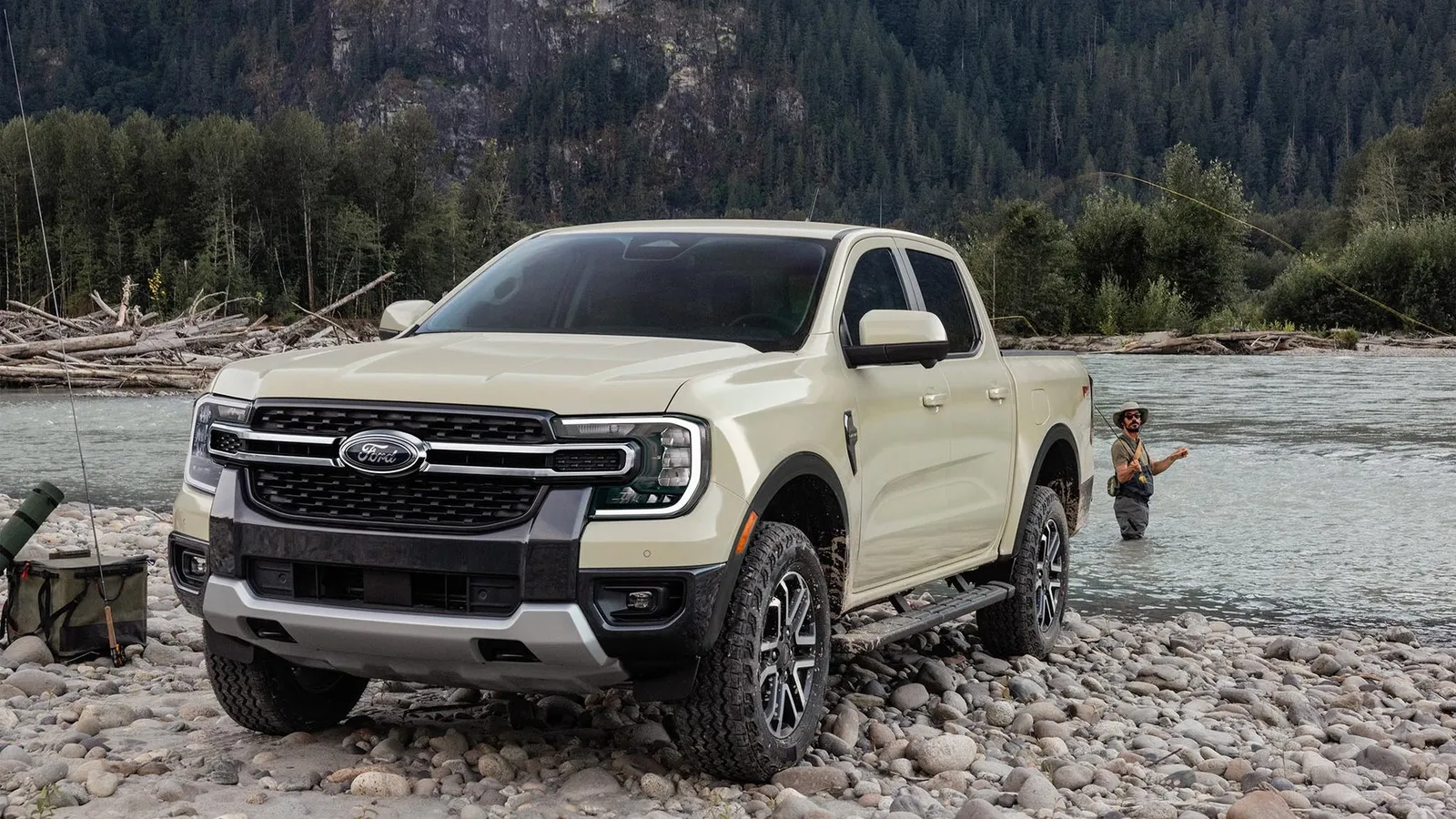
A good midsize truck has to earn its parking space. It needs to handle the weekday commute through Tacoma traffic, carry gear for a job in Puyallup, and still make sense when the weekend points toward the mountains, the coast, or a muddy trail. This Ford Ranger review looks at why the Ranger remains such a strong fit for drivers who want real truck capability without stepping up to a full-size pickup.
The Ranger is not trying to be an F-150. That is part of its appeal. It is easier to maneuver, easier to park, and generally easier on fuel, while still bringing serious towing muscle, turbocharged power, and available off-road hardware. For many South Puget Sound buyers, that is the sweet spot.
Ford Ranger Review: What Stands Out
The current Ford Ranger is built around a simple idea: give drivers useful power and capability in a manageable package. The XL, XLT, and LARIAT start with a 2.3-liter EcoBoost engine and a 10-speed automatic transmission, producing 270 horsepower and 310 lb.-ft. of torque, and XLT and LARIAT buyers can step up to an available 2.7-liter EcoBoost V6. Those numbers matter because torque is what helps a truck move a loaded trailer, climb a steep grade, or pull confidently onto the highway.
In practical terms, the Ranger feels quicker and more capable than many people expect from a midsize truck. It does not need to be pushed hard to get moving, and the transmission generally keeps the engine in the right part of its powerband. Whether you are merging onto I-5 or heading up toward Snoqualmie with camping equipment in the bed, the Ranger has enough pull to feel composed.
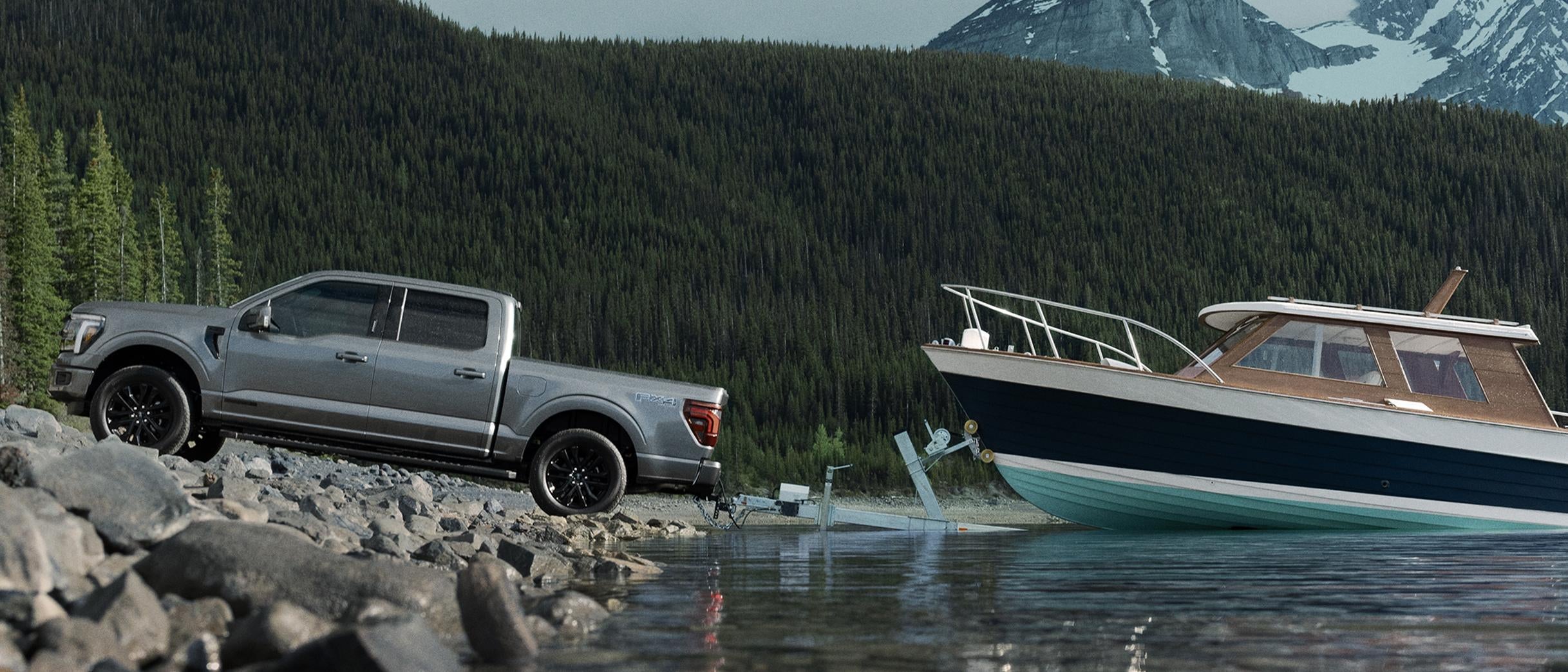
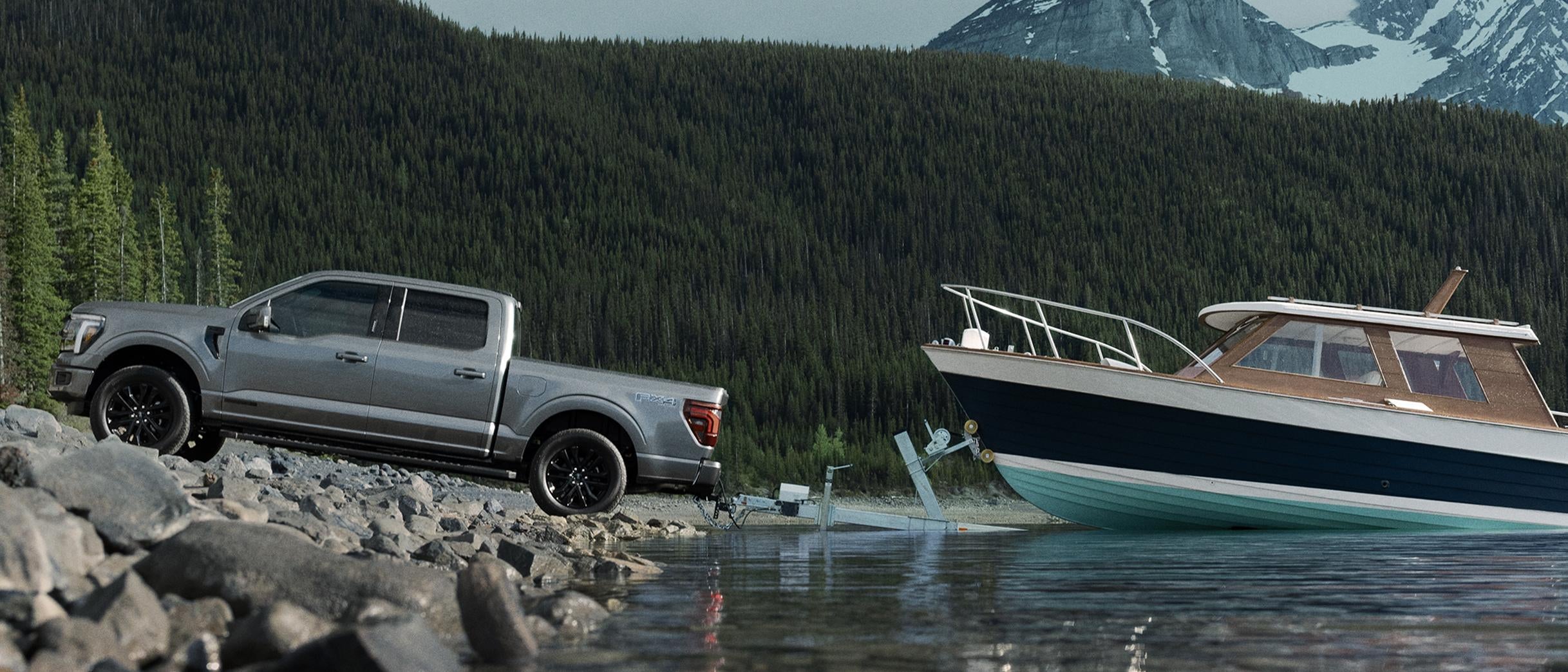
Properly equipped, the Ranger can tow up to 7,500 pounds. That puts travel trailers, fishing boats, utility trailers, and smaller equipment trailers within reach. Payload capacity varies by configuration, so buyers who regularly haul tools, materials, or motorcycles should look closely at the specific truck's ratings rather than relying on one general number.
It Drives Like a Truck, Just Not a Huge One
A midsize truck always involves a trade-off. You give up some cab and bed space compared with a full-size pickup, but you gain a truck that is less intimidating in tight parking lots and more comfortable on narrow roads. The Ranger leans into that advantage.
Its size makes it a practical daily driver for buyers in Kent, Federal Way, Seattle, and everywhere else where parking can be a headache. Visibility is good, steering is predictable, and the shorter overall length compared with a full-size truck pays off when you are backing into a grocery-store space or navigating a jobsite.
The ride is firm in the way most body-on-frame pickups are firm, especially when the bed is empty. That is not a flaw so much as a reality of truck ownership. The Ranger settles down nicely with cargo or a trailer, and its smaller footprint can make it feel less cumbersome than larger pickups on rough pavement.
If your top priority is the plushest possible ride for a family of five, an Explorer or Expedition may fit better. If you need a pickup bed and you do not want to drive more truck than you need, the Ranger makes a compelling case.
Cabin Comfort and Everyday Technology
The Ranger's four-door SuperCrew cab gives most buyers the space they actually need. Front-seat comfort is solid, and the rear seat is suitable for kids, friends, work bags, and the occasional adult passenger. It is not as roomy as a full-size crew cab, so families who frequently carry tall adults in the second row should sit in one before making a final decision.
Up front, the cabin is designed for use rather than show. Controls are easy to reach, storage is useful, and the available touchscreen setup brings the phone integration and connected features most drivers expect. Available driver-assist technology can add confidence in heavy traffic and on long highway drives.
For work-truck buyers, the Ranger's interior has another advantage: it does not feel too precious. It is comfortable enough for commuting but still feels ready for muddy boots, work gloves, and a busy week. That balance matters when your truck is part office, part gear hauler, and part weekend escape plan.
Which Ranger Trim Fits Your Life?
The right Ranger depends less on the badge and more on how you plan to use it. The XL is a smart starting point for buyers focused on value, fleet needs, or a straightforward work truck. It offers the core Ranger capability without adding equipment you may not need.
The XLT is often the best middle ground. It adds comfort, convenience, and appearance upgrades that make sense for someone using the truck every day. For buyers who want one vehicle for work, family errands, and weekend towing, the XLT is worth a close look.
The LARIAT brings a more upscale cabin feel and additional technology. It makes sense for drivers who want the utility of a pickup without giving up the features they enjoy in a well-equipped SUV.
Then there is the Ranger Raptor. This is not simply a Ranger with tougher-looking tires. It is the off-road-focused version, with more power, advanced suspension hardware, aggressive tires, and the kind of trail-ready attitude that appeals to drivers who see gravel roads as an invitation. It costs more and may be more truck than a daily commuter needs, but for serious off-road fun, it is in a class of its own.
Off-Road Ability Beyond the Pavement
Washington gives Ranger owners plenty of reasons to leave the pavement. Forest service roads, wet trailheads, snow-covered passes, and remote campsites can all demand more than a typical commuter vehicle can offer.
Four-wheel drive is the sensible choice for buyers who routinely deal with slick conditions, rough access roads, or outdoor destinations. The available FX4 Off-Road Package adds equipment designed for tougher terrain, including underbody protection and off-road-focused drive settings. It is a practical upgrade for drivers who spend real time away from maintained roads, not just those who like the look of an off-road truck.
That said, off-road capability should match your actual plans. A rear-wheel-drive Ranger can be a perfectly capable truck for city driving, hauling, and light towing. Choosing four-wheel drive or the FX4 package makes more sense when you will use it regularly. Honest truck shopping starts with how you drive, not with checking every box.
Ranger vs. a Full-Size Truck
The biggest question for many shoppers is whether the Ranger is enough truck. For plenty of buyers, the answer is yes. A 7,500-pound towing rating covers a broad range of real-world needs, and the bed is useful for home projects, camping gear, tools, and recreational equipment.
But there are situations where an F-150 is the better choice. If you tow heavy equipment often, carry a large crew, need maximum bed volume, or want the strongest available payload ratings, a full-size truck is likely worth the extra investment. There is no prize for buying too small or too large.
The Ranger fits buyers who want capability they can use every week, not capability that sits unused while making daily errands harder. It is a practical answer for someone moving up from an SUV, downsizing from a larger truck, or buying their first pickup.
Is the Ford Ranger a Good Buy?
The Ford Ranger is a good buy when you need a genuine truck but want to keep the ownership experience manageable. It offers strong turbocharged performance, useful towing, modern technology, and trim levels that range from work-ready to trail-hungry.
Its limitations are fair ones to acknowledge. The rear seat is not as generous as a full-size crew cab, the unloaded ride feels like a pickup ride, and the Raptor's price will not work for every budget. Still, those compromises come with real advantages in size, capability, and everyday usability.
The best way to decide is to bring your actual needs to the test drive. Think about the trailer you tow, the people you carry, the roads you travel, and the gear you load. At Korum Ford, our team can help you compare Ranger trims, review towing needs, and find a payment or lease option that fits without pressure. Bring the practical questions. That is how you find the truck you will still be glad to own after the first big project, the first wet trail, and the first long weekend out of town.
Frequently Asked Questions
Is the Ford Ranger a good truck for Western Washington weather?
Yes, especially with four-wheel drive and good tires. Four-wheel drive helps on wet trailheads, gravel forest roads and snowy pass trips, while the Ranger's size stays easy to manage in Tacoma and Puyallup traffic. In winter, use approved traction tires and carry chains, since WSDOT can post requirements on Cascade passes when conditions turn.
Should I choose a Ford Ranger or a Ford Maverick?
Both are smart Ford trucks with different jobs. The Maverick is a compact pickup with an available hybrid powertrain that suits commuting and light hauling. The Ranger is a body-on-frame midsize truck with more towing capability and serious off-road options, including the Raptor. If you tow a camper or boat regularly, the Ranger is usually the better fit.
Can a Ford Ranger tow a travel trailer over the Cascades?
A properly equipped Ranger can tow many small and midsize travel trailers, as long as the loaded trailer, tongue weight and cargo stay within that truck's ratings. Long grades on Snoqualmie or White Pass add heat and load, so leave margin, use tow haul mode and check trailer brakes. The Korum Ford team can check a specific trailer against a specific truck.
Does Korum Ford sell used Rangers as well as new ones?
Yes. Korum Ford stocks new Rangers and lists used Rangers in its pre-owned inventory when they are available, so you can compare a new XL, XLT, LARIAT or Raptor with a late-model used truck. Inventory changes often, so check online first, then schedule a test drive in Puyallup to compare trims and drivetrains in person.