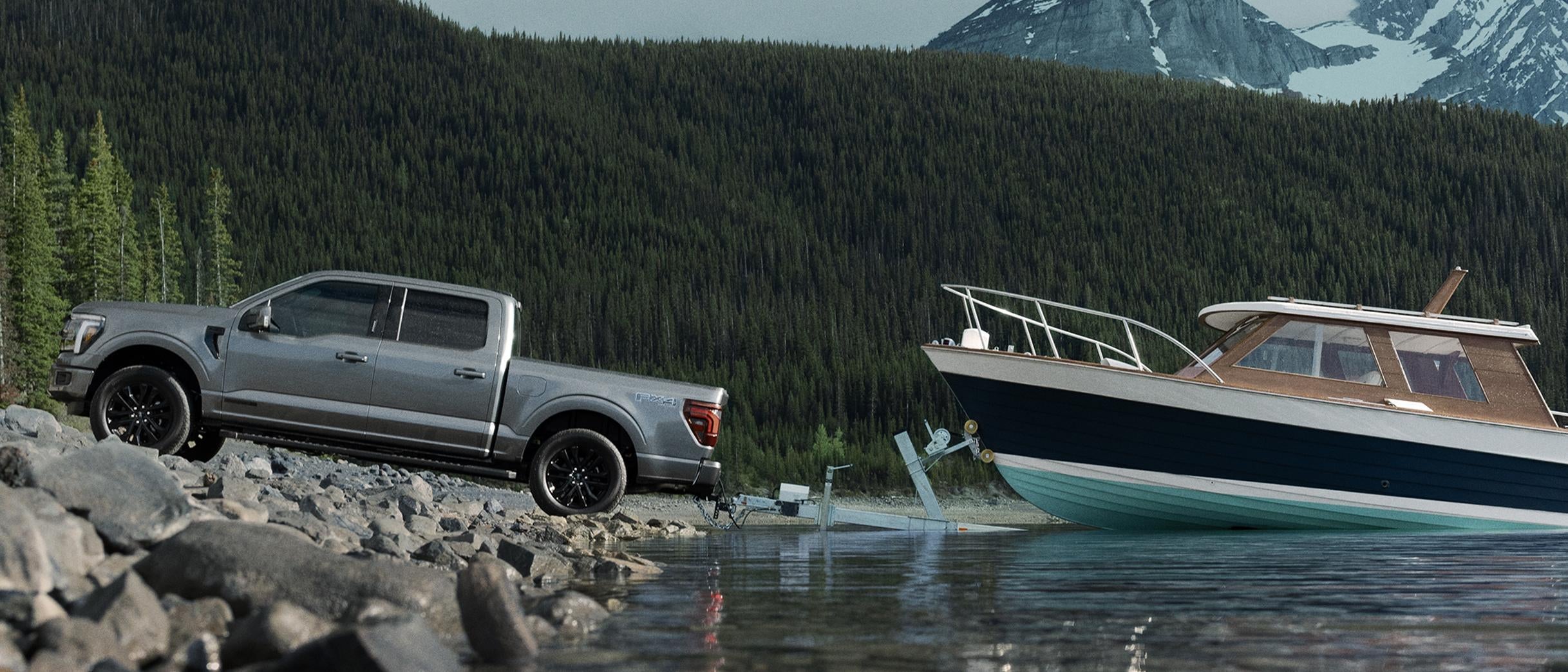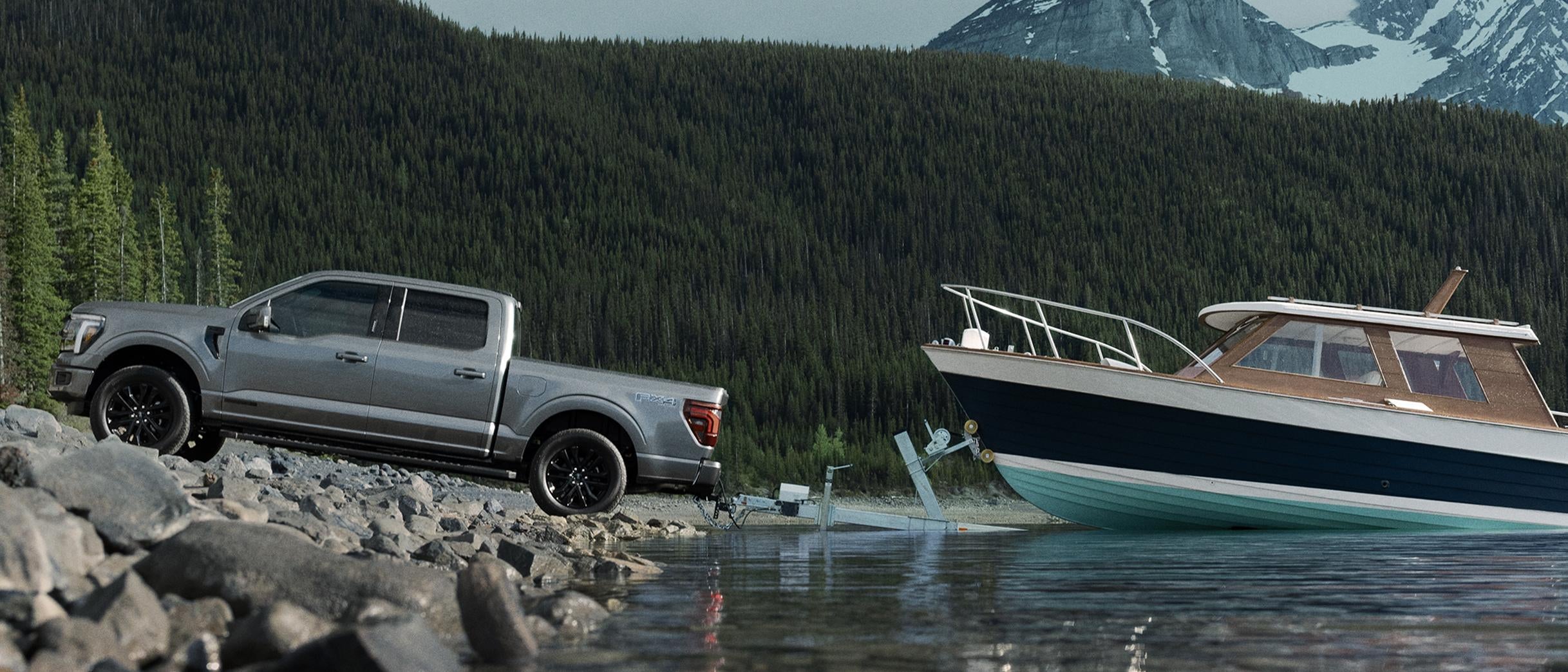
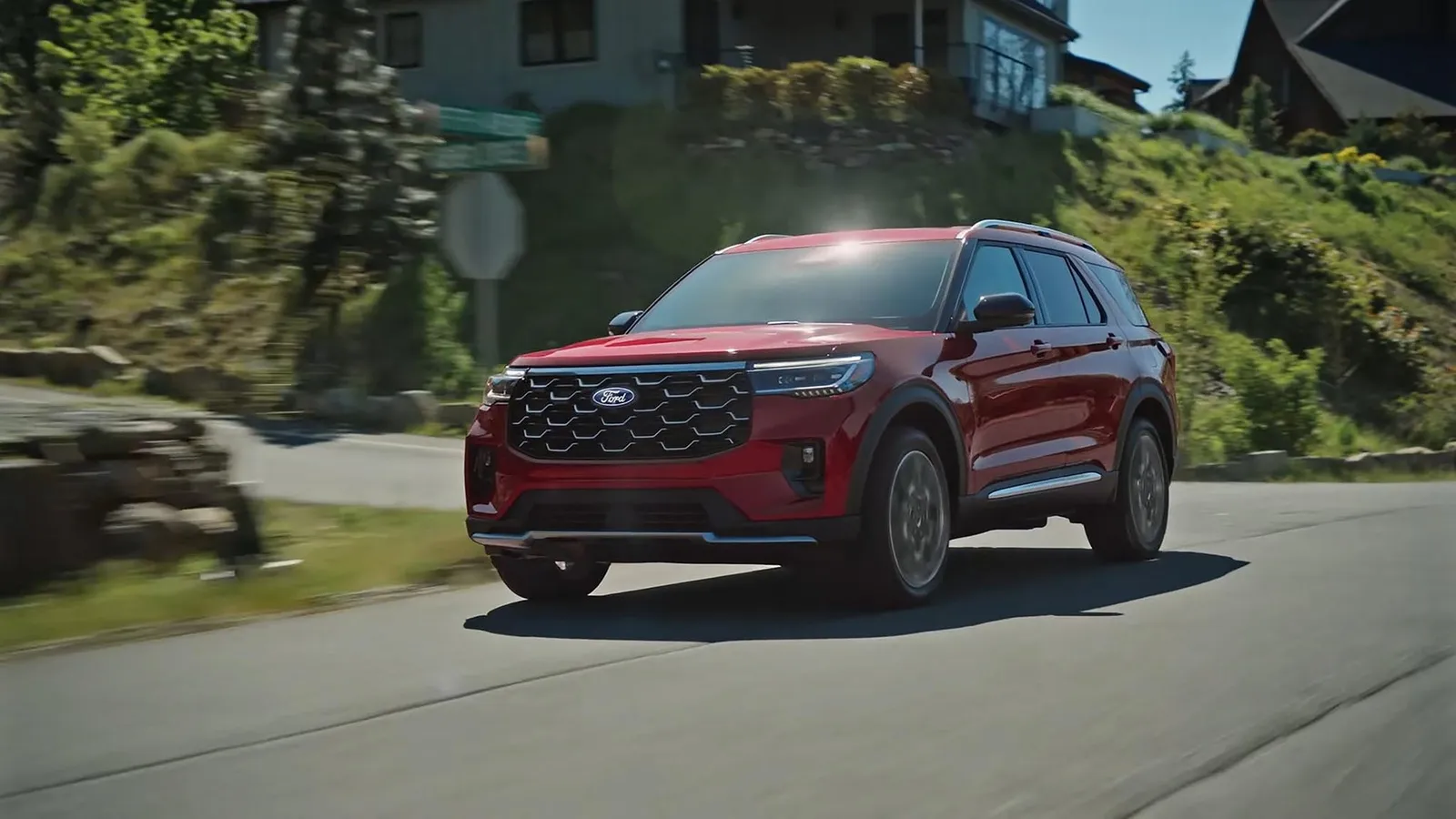
A truck that has to haul tools through Tacoma traffic, pull a boat toward the Sound, and still fit the family on a Saturday is not a casual purchase. The decision around buying new versus used is less about finding one universal winner and more about matching the vehicle, payment, and ownership plan to the job ahead.
For South Puget Sound drivers, weather, terrain, work demands, and weekend plans all belong in the conversation. A new Ford F-150 may make sense for a buyer who needs the latest towing technology and predictable coverage. A well-kept used Explorer may be the smart move for a family that wants three rows and room in the budget. Here is how to make the call with confidence.
Buying New Versus Used: Start With How You Will Use It
Before comparing stickers, get specific about what your vehicle needs to do. A buyer who occasionally brings home mulch has different needs than a contractor hauling equipment every weekday. Likewise, a Bronco buyer planning trips over forest roads near Greenwater will prioritize different features than a commuter traveling from Federal Way to Seattle.
Think about payload, towing, passenger space, cargo room, fuel costs, and how long you expect to keep the vehicle. If you need a truck to earn its keep, capability should come before color, wheels, or a few dollars saved upfront. Buying too little truck can cost more later when the trailer, equipment, or crew outgrows it.
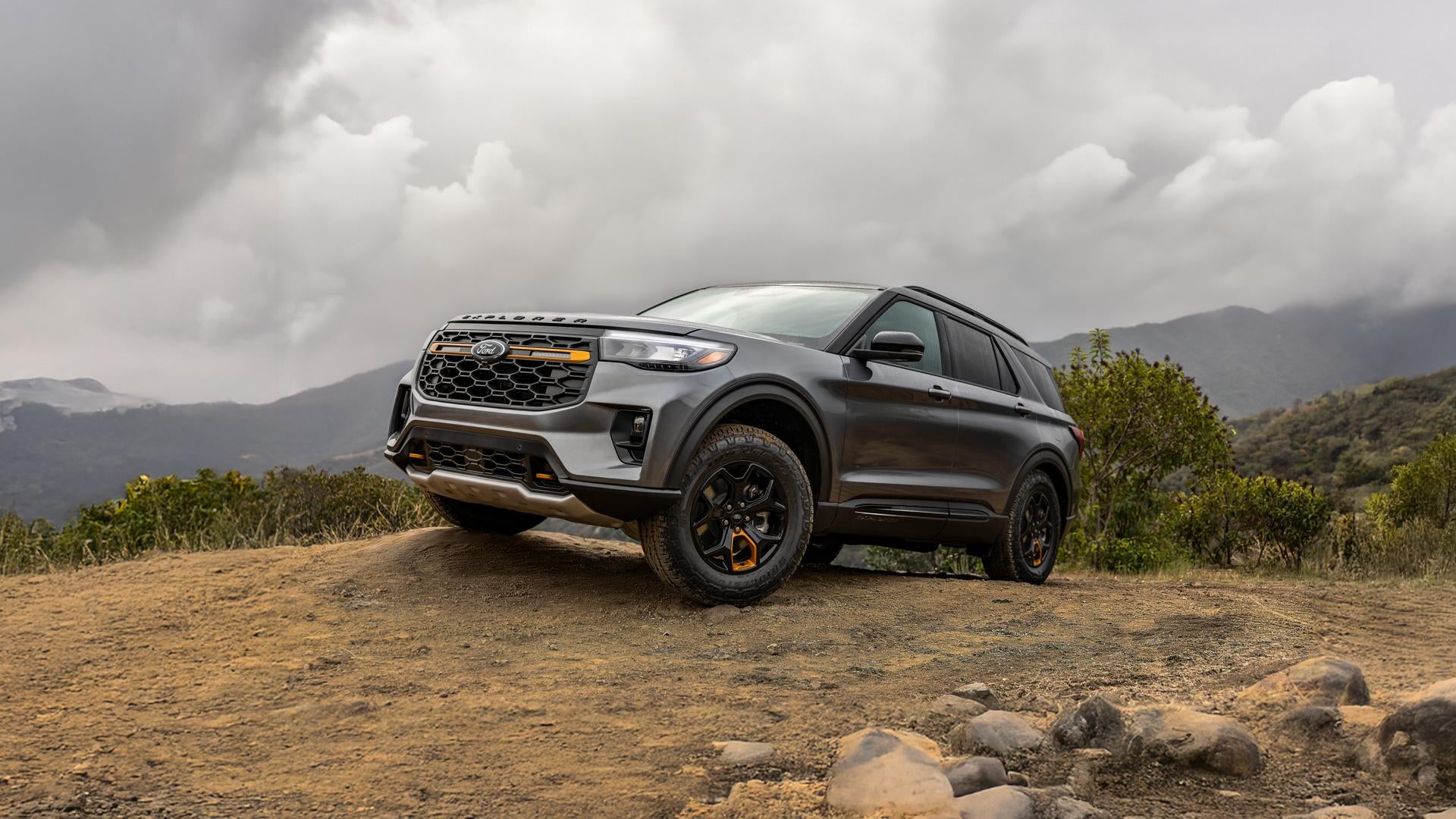
For families, consider the practical details: car-seat access, third-row space, all-wheel-drive or four-wheel-drive confidence in wet conditions, and room for sports gear. An SUV that looks right in the driveway still has to work on a rainy school morning.
When Buying New Makes the Most Sense
A new Ford gives you the latest engineering, a full factory warranty, and a clean ownership history from day one. For buyers who value certainty, that has real value. You know how the truck or SUV has been driven, maintained, and equipped because you are the first owner.
New vehicles also bring the newest features. Depending on the model and trim, that can include updated driver-assist technology, larger towing displays, trailer backup support, more advanced infotainment, improved camera views, and powertrain improvements. If you tow regularly, newer towing tools can make hitching, backing up, and monitoring a trailer less stressful.
A new F-150 can be especially compelling for work-truck owners who need a precise configuration. You may need a particular cab length, bed length, engine, tow package, axle ratio, or upfit-ready setup. Shopping new gives you a better shot at getting the combination that supports your business instead of settling for what happened to be available.
There is also the long-term ownership angle. If you plan to keep a vehicle for eight or 10 years, a new model gives you more years before age and mileage become major factors. Regular maintenance still matters, but beginning at zero miles creates a predictable baseline.
The trade-off is straightforward: new vehicles generally cost more. You may have a higher monthly payment, a larger down payment requirement, or both. Depreciation is also highest during the early years of ownership, even though popular trucks and SUVs often hold value better than many other vehicle types.
New may be right for you if...
New is often a strong fit if you need a specific truck setup, want the newest capability and technology, plan to own for the long haul, or simply prefer the reassurance of full warranty coverage. It can also work well when current financing programs make the payment difference between new and late-model used smaller than expected.
Why a Used Ford Can Be a Great Value
A used vehicle can put more capability within reach. Instead of stretching for a base new truck, you may find a late-model used F-150 with a higher trim, useful towing equipment, bed accessories, or four-wheel drive for a similar budget. That can be a meaningful upgrade if the vehicle has been inspected and its history checks out.
Used vehicles have also already gone through the steepest part of depreciation. That does not mean every used vehicle is a bargain, especially when demand is high for trucks, Broncos, and three-row SUVs. Still, buying used may let you preserve more cash for insurance, accessories, maintenance, or a larger down payment.
For a value-focused buyer, a used Explorer or Expedition can offer the space needed for family life without the new-vehicle price. A used Bronco Sport can be a practical way to get trail-ready character, useful cargo space, and everyday drivability. The right used choice is not about accepting less. It is about deciding which features matter most and avoiding the ones you will never use.
Condition matters more than the number on the odometer alone. A truck with higher miles that has been regularly serviced, driven responsibly, and thoroughly inspected can be a better bet than a lower-mileage vehicle with unclear maintenance records or signs of hard use.
What to inspect on a used truck or SUV
Ask about maintenance history, accident history, title status, tire condition, brake wear, and whether recalls have been completed. On a truck, inspect the bed, hitch area, frame, suspension, and underbody for evidence of heavy use, damage, or corrosion. If it has a trailer brake controller or towing equipment, make sure those features suit the type of trailer you plan to pull.
Take a real test drive, not just a loop around the block. Listen for unusual noises, check how it shifts and brakes, test the climate controls, connect your phone, and spend a few minutes in the back seat if passengers will ride there often. A thorough dealership inspection adds another level of confidence, particularly for buyers who do not want to spend weekends chasing repairs.
Compare Total Ownership Cost, Not Just the Payment
The lowest payment is not always the lowest-cost choice. Financing term, interest rate, insurance, expected maintenance, fuel use, and resale value all affect the full picture. A used vehicle may cost less to buy but could need tires, brakes, or scheduled service sooner. A new vehicle may cost more each month while offering fewer unexpected repair concerns during its early years.
This is where a conversation about financing matters. A shorter loan term can increase the payment but reduce total interest. A larger down payment can improve your financing options. Trade-in value can change the equation, too, especially if your current vehicle is clean and in demand.
Do not assume leasing is only for cars, either. For drivers who want a new truck or SUV every few years, drive predictable mileage, and prefer warranty coverage, leasing may be worth comparing. It is usually not the best fit for someone who racks up job-site miles, modifies their truck heavily, or wants to own the vehicle outright for the long term.
Match the Vehicle to Your Risk Tolerance
Some shoppers want maximum certainty. They would rather pay more for a new vehicle, factory warranty coverage, and the latest equipment. Others are comfortable taking a little more maintenance risk in exchange for lower upfront cost or more features for the money. Neither approach is wrong.
Be honest about your tolerance for repairs and downtime. If your truck is a business tool, an unexpected issue can affect more than your weekend plans. If it is a second vehicle or a lightly driven family SUV, a quality used model may make perfect financial sense.
Korum Ford takes a hands-on approach because buying a vehicle should feel like a conversation, not a pressure test. Whether you are comparing a new F-150 with a pre-owned truck, sorting through Bronco options, or figuring out what payment fits comfortably, the goal is to find a vehicle that can handle your real life.
Bring your trailer specifications, your trade-in details, and the questions you have been carrying around. A good test drive and a clear look at the numbers will tell you far more than a generic rule about new or used ever could.
Frequently Asked Questions
What does Ford Blue Advantage certification add to a used Ford?
Ford Blue Advantage is the factory certified pre-owned program. Gold Certified vehicles are late-model Fords that pass a detailed inspection and carry Ford-backed warranty coverage, while Blue Certified covers a wider range of ages and makes with its own inspection and coverage. Both include a short money-back guarantee period. Ask Korum Ford which certified vehicles are on the lot.
Do used vehicles from Washington dealers come with a warranty?
Not automatically. Federal rules require dealers to post a Buyers Guide on each used vehicle that states whether it is sold as is or with a warranty, and what that warranty covers. Read it before you sign and keep a copy. Certified pre-owned Fords and some late-model vehicles still under factory coverage can offer more protection than an as is sale.
Does a trade-in lower the sales tax on my next Ford in Washington?
Usually, yes. Washington excludes the value of a like-kind trade-in from the selling price used to calculate retail sales tax, so trading your vehicle toward a new or used Ford at the dealership can reduce the tax owed. Rebates and other incentives are treated differently. Ask the Korum Ford team to show the trade allowance and tax lines separately.
Can I order a new Ford built to my exact specifications?
Yes. If the cab, bed, engine or package you want is not in stock, Korum Ford can help you place a custom factory order. You choose the configuration, and the dealership tracks the order until the truck or SUV arrives. Timing depends on Ford production, so ask for an estimate and compare it with similar vehicles already in inventory.